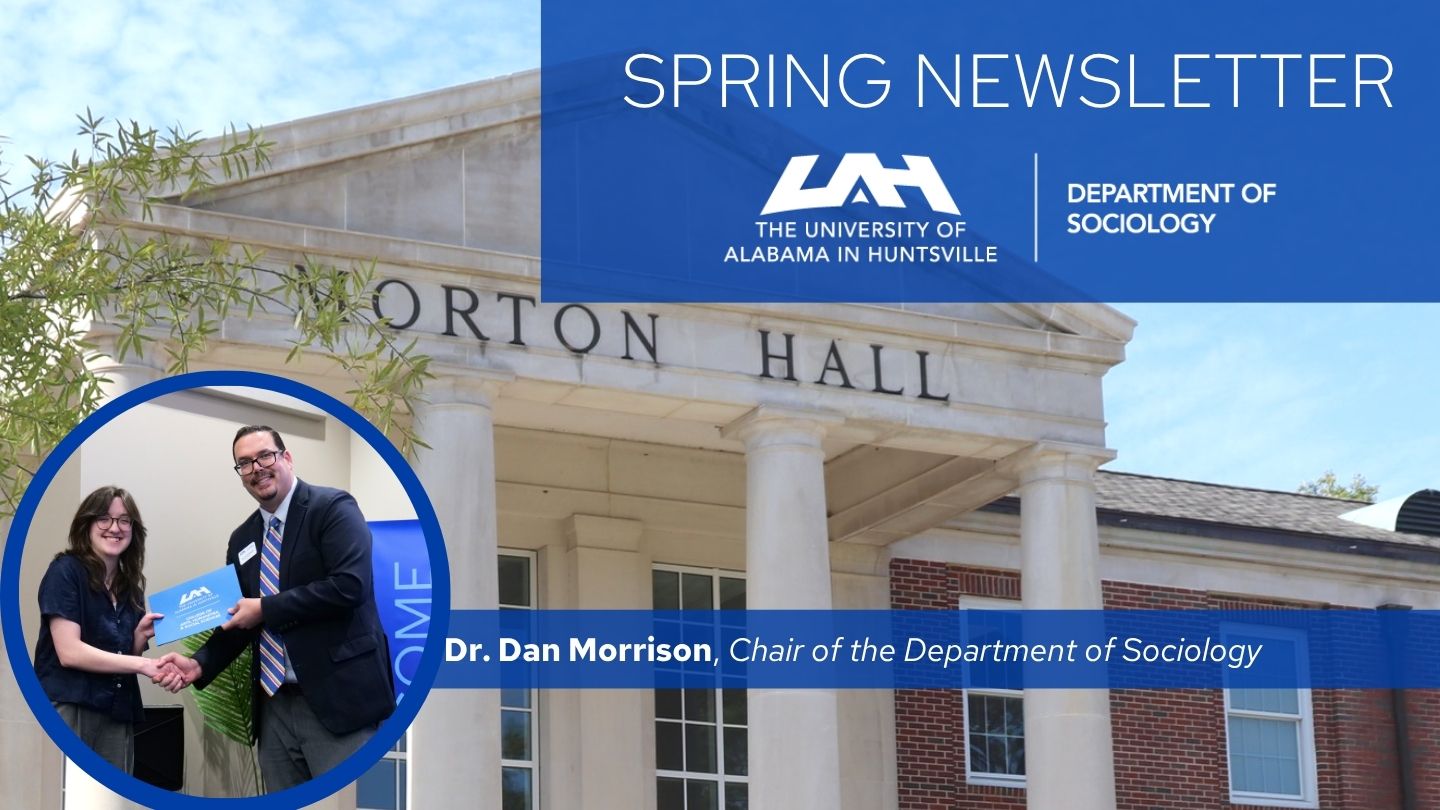
Department of Sociology Spring 2026 Newsletter
Departmental Happenings:
- New Faculty Members and Departures
- Sociology Events
- Promotion of Criminology and Intelligence Studies
- Faculty Updates
- Internship Spotlight: Alissa Corbin
- Senior Spotlight: Zoe Johnson
- Congratulations Graduates
New Faculty Members and Departures
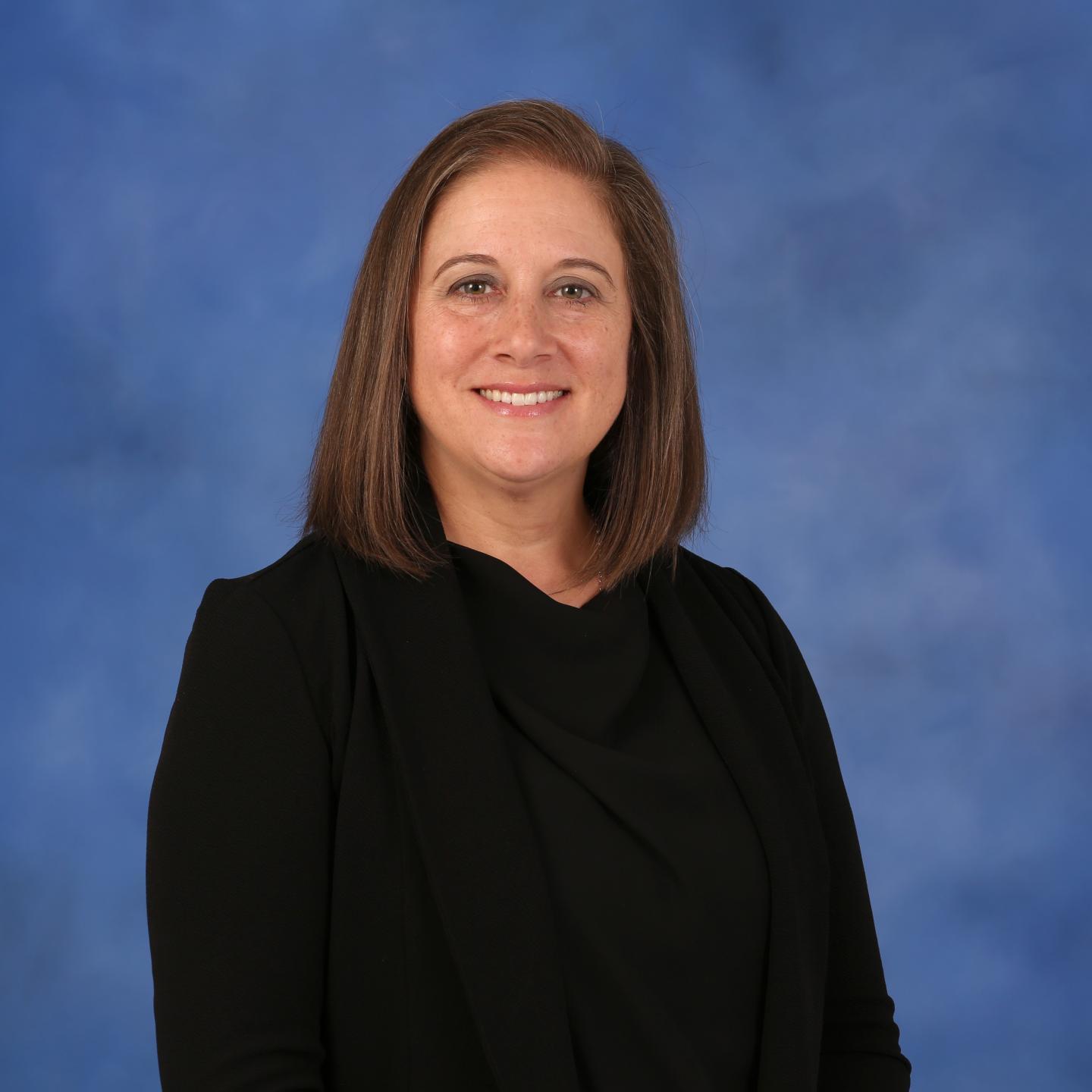
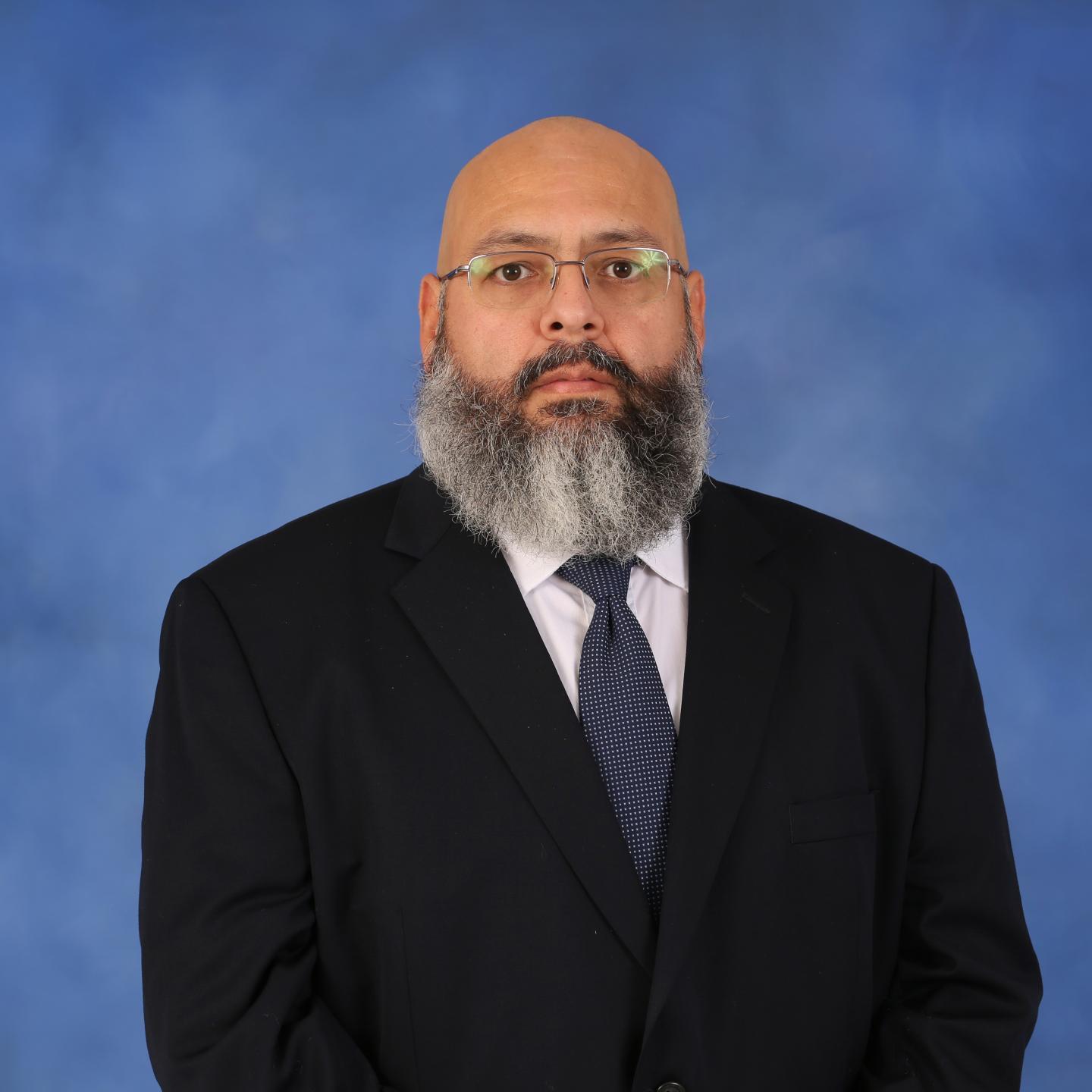
Welcome, New Faculty Members Dr. Sergio Garduno and Ms. Ferrell Horn
Dr. L. Sergio Garduno
Sergio obtained a Ph.D. in Criminal Justice from the University of Louisville. Before coming to The University of Alabama in Huntsville, he served as an Assistant Professor at Prairie View A&M University (TX) and Troy University (AL). He has worked with at-high-risk Latino youth, implemented an HIV educational and testing program in a jail in Maryland, and has volunteered for police organizations. Sergio served as Managing Editor for the journal Criminology & Public Policy for six years. He has an active research agenda that focuses on gangs, juvenile delinquency, Adverse Childhood Experiences (ACEs), and people’s perceptions and interactions with the police. Sergio is certified as ‘Effective Teaching Practice Framework’ by ACUE.
Ferrell Horn
Ferrell Horn joined UAH after a career in federal government service, primarily in the field of national security. Initially, she worked on the Hill and as a contractor for the U.S. Army and the Office of the Secretary of Defense for Nonproliferation Policy. Following those assignments, she joined the Central Intelligence Agency and worked across the intelligence community (IC) on both strategic and tactical threats. During her twenty years at the Agency, Ferrell worked on a wide variety of critical national security issues including counterintelligence, emerging technologies, telecommunication networks, overseas extremist insurgencies, energy and natural resources in the Arctic region to include the 2013 National Strategy For the Arctic Region (NSAR), and political analysis in the Middle East and Eurasia. In 2021, Ferrell was detailed to the FBI for a joint-duty assignment focused on a large-scale emerging technology development initiative for the FBI at Redstone Arsenal.
Faculty Departure: Dr. Jennifer Sims
After over eight years of service to the department and UAH, Dr. Jennifer Sims joined the University of Tennessee at Knoxville in January 2026. As mentioned above, Dr. Sims has published two books while at UAH: the Stanford M. Lyman Distinguished Book Award-winning Mixed-Race in the US and UK: Comparing the Past, Present, and Future with Chinelo L. Njaka (2019, Emerald Press), and The Fallacies of Racism: Understanding How Common Perceptions Uphold White Supremacy (2024, Polity). In addition to these books, Dr. Sims has published several articles with undergraduate students at UAH.
Dr. Sims has been interviewed about her research by outlets such as The Washington Post and BBC, conducted several podcast interviews about The Fallacies of Racism, and has presented research at professional conferences and university spaces in the US, UK, and Canada.
Dr. Sims often taught highly sought after courses in the sociology of race and ethnicity, gender, and sexuality, and anchored the department’s course in sociological research methods. An active mentor of students, Sims won funding for five RCEU students while at UAH, and won the Distinguished Contributions to Teaching Award from the Southern Sociological Society in 2021, as well as the MLK Award from the UAH Minority Graduate Student Association in 2022.
She was also active in department and university service, founding and growing the department’s social media presence to over 500 followers on Instagram. Outside the department, she served on the Institutional Review Board, Faculty Senate, College Promotion and Tenure Committee, and the Advisory boards for Women’s, Gender, and Sexuality Studies and Justice and Equity Studies. As you can tell, Dr. Sims wore a number of hats! We will miss her, but wish her all the best at UT Knoxville.
Sociology Events
The SOC Department hosted Dr. Michel Estefan of UC San Diego for an important conversation about teaching in this digital age
Dr. Estefan joined faculty from the College of Arts, Humanities, and Social Sciences as well as local universities to discuss the challenges of teaching and learning in a digitally-enabled, and digitally-distracted, classroom. In this workshop, Estefan explained that instructors are often caught between two historical philosophies: the Scientific Paradigm, which focuses on efficiently passing on expert knowledge, and the Activist Paradigm, which seeks to empower students to challenge the status quo.
He argued that today’s students face many external forces—like jobs and family—pulling them away from their studies. A key challenge is that diverse classrooms create inevitable trade-offs. For example, banning laptops improves focus for the majority but may inadvertently "out" students who require them for disabilities. Estefan suggested navigating this by treating the classroom as a moral community. For example, faculty could be transparent about the "why" behind rules and use fair incentives—such as grading attendance—to encourage students to show up and engage.
Estefan advised faculty to protect their own mental health through structured flexibility. Instead of managing endless individual extensions, instructors can build options like "dropping the lowest quiz grade" into the syllabus and use template responses for common requests to maintain kind but firm boundaries.
We were excited to host Dr. Estefan, and look forward to more conversations about teaching and learning in the department and college soon!
Interfaith Dialogue Hosted by Dr. Thomson
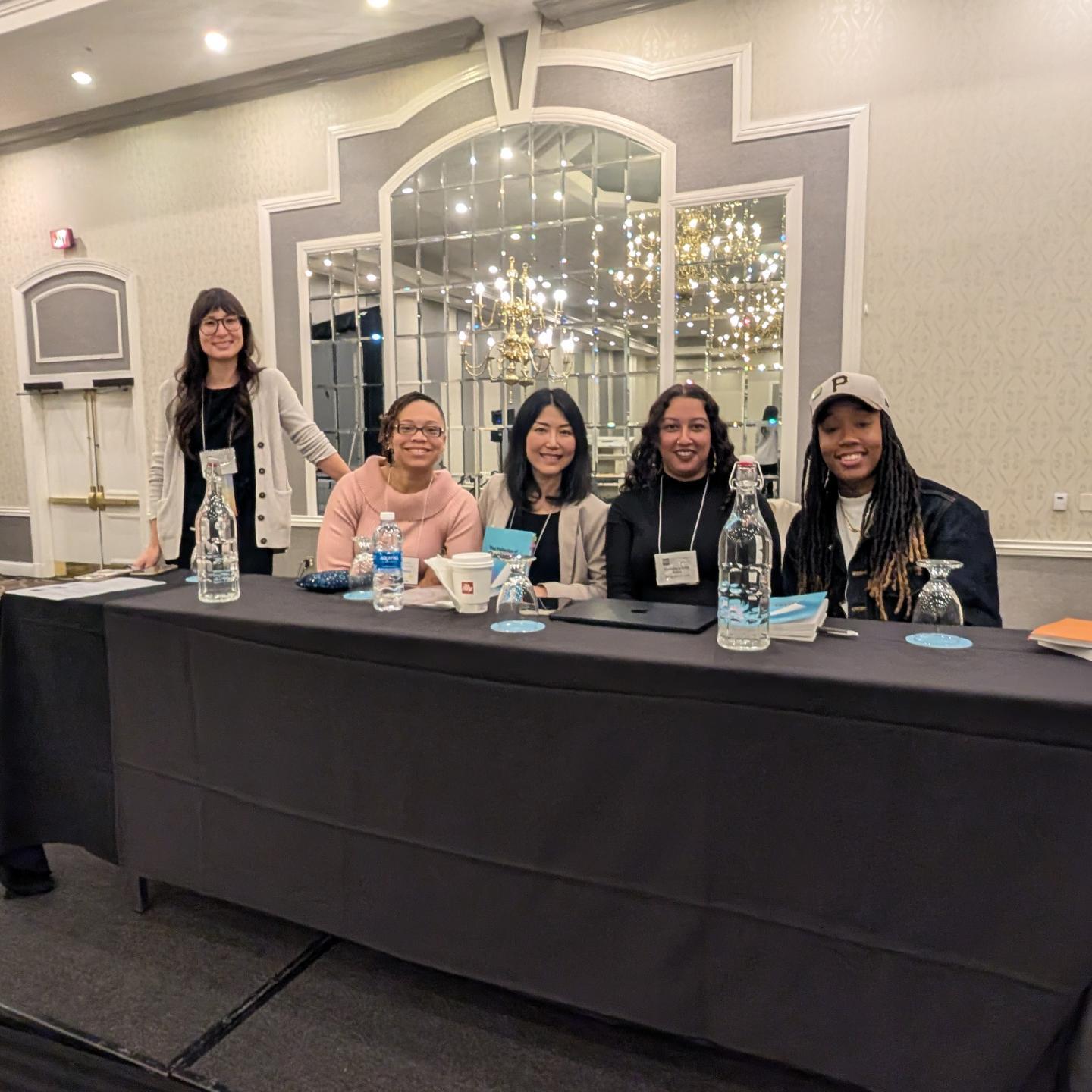
In April 2025, the UAH College of Arts, Humanities, and Social Sciences hosted an interfaith dialogue hosted by Sociology professor Robert Thomson. The event, titled “Exploring the Role of Religion in the Modern World,” featured a diverse group of faith leaders from six local religious organizations. Among the panelists included (from left to right in the first photo below) the Rev. Dr. Melissa Hartley from the Episcopal Church of the Nativity, lay Zen Buddhist teacher Gary Beard, Rabbi PJ Schwartz of Temple B’nai Sholom, Dr. Omer Iqbal from the Huntsville Islamic Center, Pastor Jay Hartsfield of Rivertree Church, and Pastor Jaymes Mooney of Saint Bartley Church. Panelists shared their thoughts on the role of religion in modern life, the biggest challenges for faith traditions today, and their perceptions of the biggest challenges for members of their faith communities in the US today.
First Annual Internship Preview Day
The Sociology Department welcomed representatives from 10 local, state, and national organizations to campus in November for our first annual Internship Preview Day. Each organization gave a brief overview of their mission, the work interns could expect to do on site, and how sociology students can make a difference in their organizations and for their clients.
We will invite last year’s guests:
Alabama Department of Human Resources*
Disability Resource Network*
Downtown Rescue Mission
Fantasy Playhouse
First Stop*
Global Ties Alabama*
John Paul II High School
Operation Make A Difference
Shenanigans Comedy Theatre and The Center*
QuantHub
*Sociology students have interned here!
And some new faces, including Aveanna Hospice for 2026.
Our next Internship Preview day is Tuesday, November 10 in Morton Hall. Current students, see you there!
New Criminology and Intelligence Studies Concentration
The Sociology Department launched a new Concentration within the major on Friday, August 22. Several representatives from the Intelligence Community were on hand, including former FBI Agent Shannon McGarry, John Braun, and Jim Hawkins from open-source intelligence firm Dynamis, and recent UAH Sociology graduate Noah Gray, among others.
Promotion of Criminology and Intelligence Studies
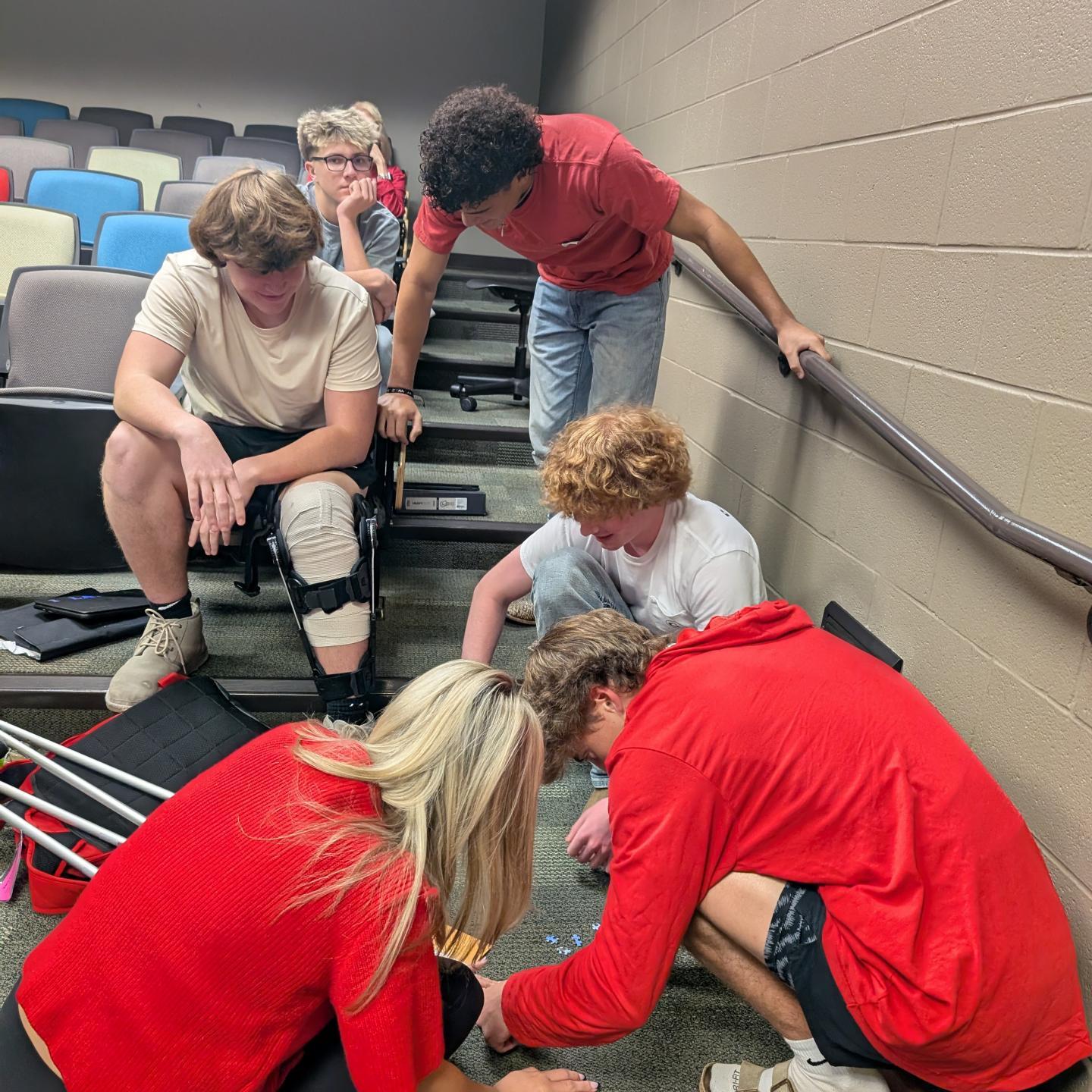
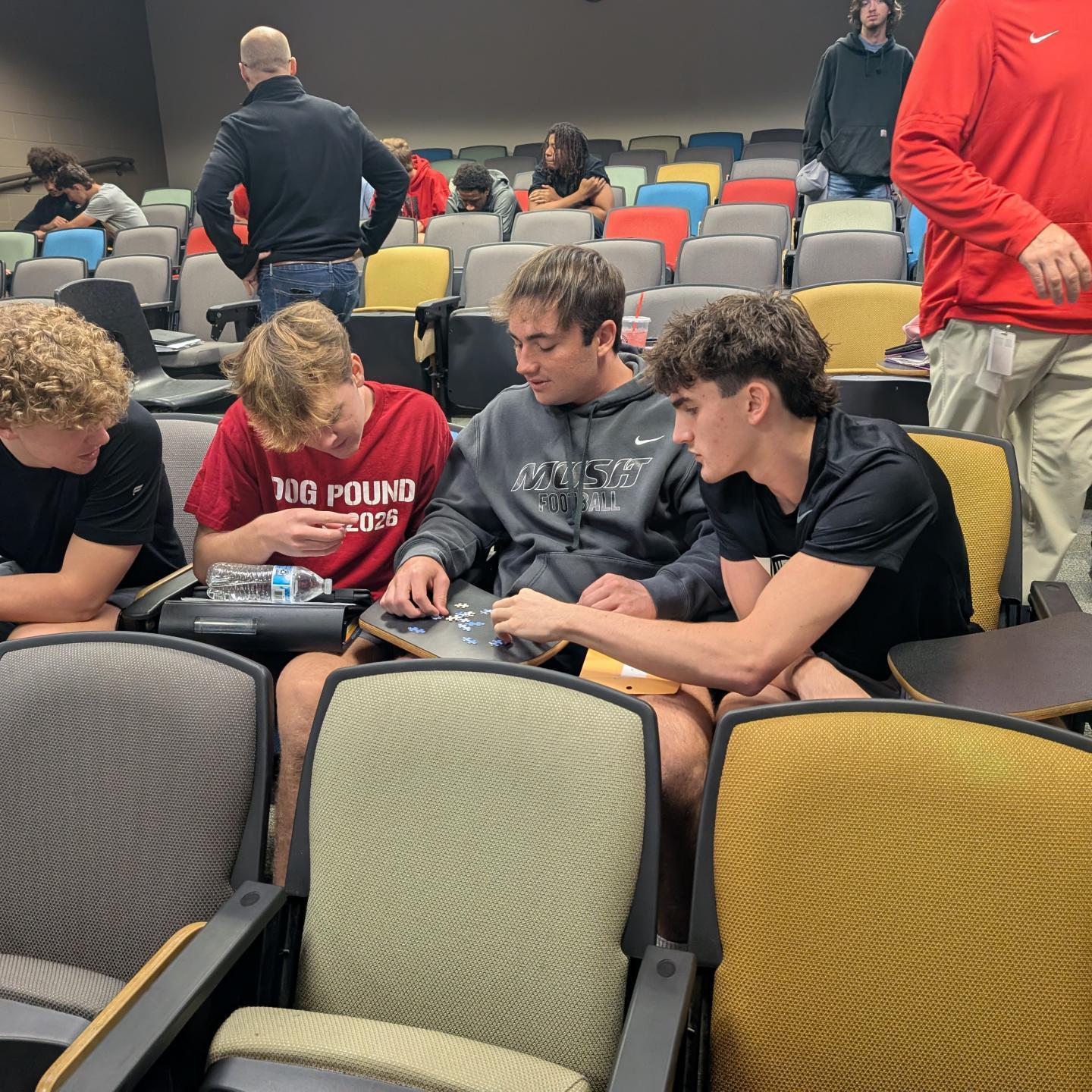
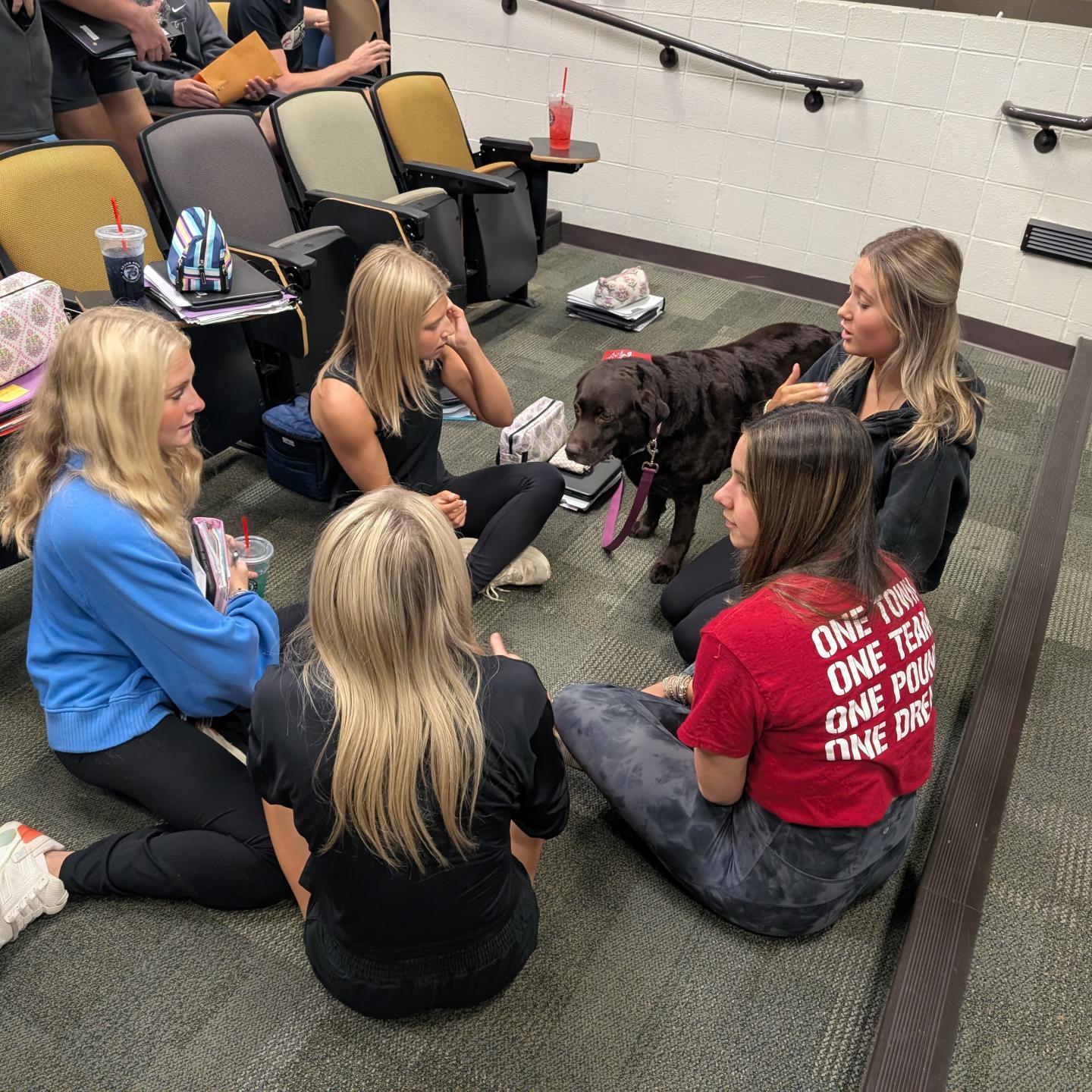
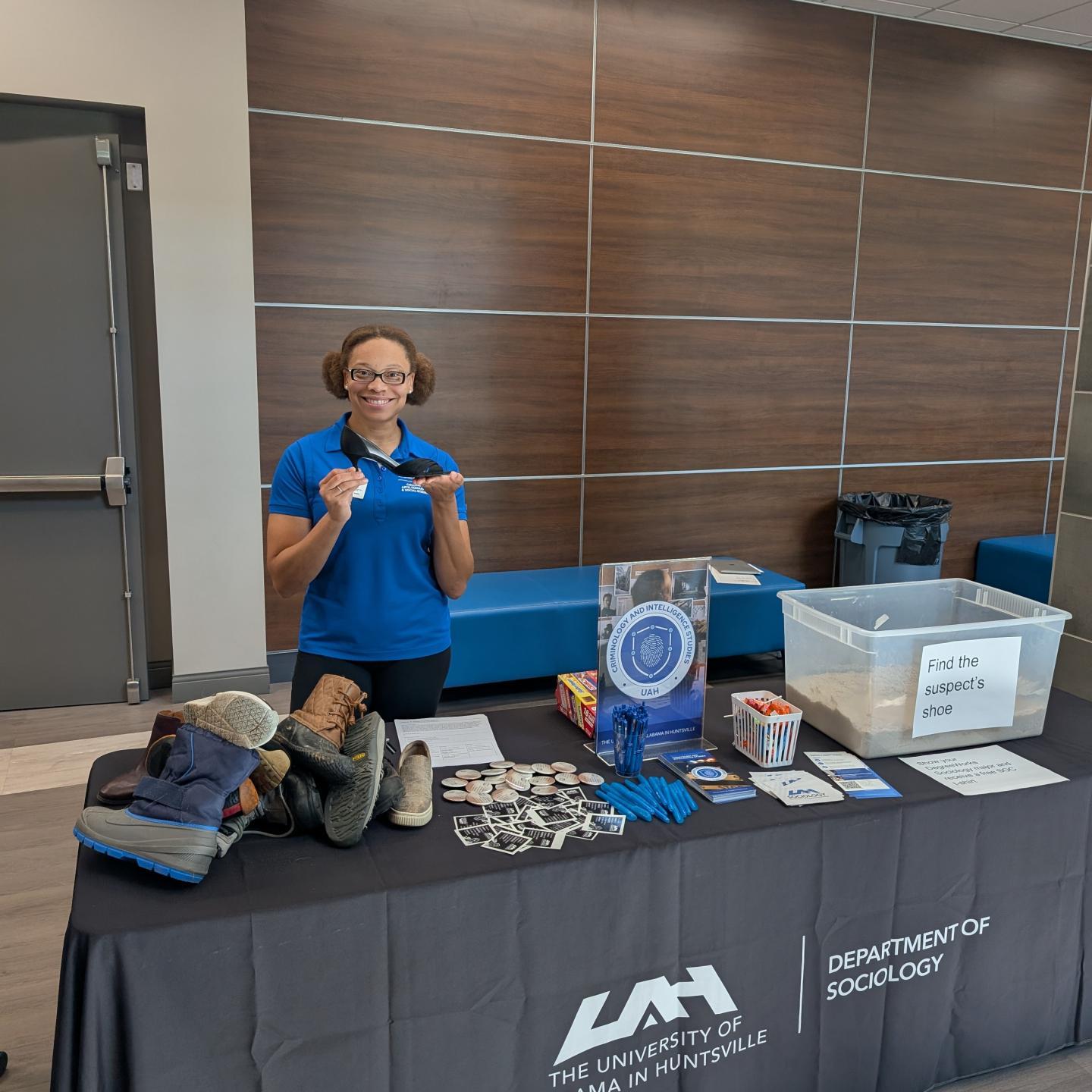
Fall 2025 featured two road shows by sociology faculty promoting the new concentration and minor in Criminology and Intelligence Studies. On October 17, Dr. Garduno, Dr. Morrison, and Dr. Thompson drove to Trussville, Alabama to discuss these new programs with over 80 high school sophomores, juniors, and seniors. Some students had already committed to UAH sociology! Students tried to piece together the “intelligence community puzzle” by playing a role as one of the 18 US intelligence agencies. Later that month, Dr. Morrison visited Moody High School with the same mission.
Faculty Updates
Dr. Sergio Garduno
Dr. Garduno continues his scholarship with two papers: "Empowering Police Managers: The Role of the Student Leadership Challenge Inventory in Assessing Leadership Abilities and Performance" and “Analyzing Individual and Circumstantial Factors Influencing Drivers’ Likelihood of Getting Tickets After Traffic Stop Violations” currently undergoing peer review. As mentioned above, Dr. Garduno is hard at work as co-editor of the book Gangs of the World.
Ferrell Horn
With two graduate degrees in National Security Studies, Horn is well positioned to teach courses on the intelligence side of our Criminology and Intelligence Studies concentration and minor. This semester, Professor Horn is teaching SOC 220: Analytic Writing for Intelligence Analysis as well as National Security Strategy and Policy for the Political Science department. Professor Horn is also busy developing a Master's Degree program in Intelligence and Security Studies, which will launch soon!
Dr. Dan Morrison
Dr. Morrison completed his second year as department chair, and in fall 2025, added interim chair of the Department of Psychology to his administrative responsibilities. He published two journal articles in late 2025 and early 2026 with collaborators Dr. Jonathan Coley (Oklahoma State University) and Dr. Claire Whitlinger (Furman University). He will be working with CAHS student Alexis Bendickson and Dr. Joseph Conway (UAH English) this summer on a Research or Creative Experience for Undergraduates project titled “Slavery, Memory, and the University”. Morrison developed a new course for fall 2025: Introduction to Justice and Equity Studies.
Dr. Christina Steidl
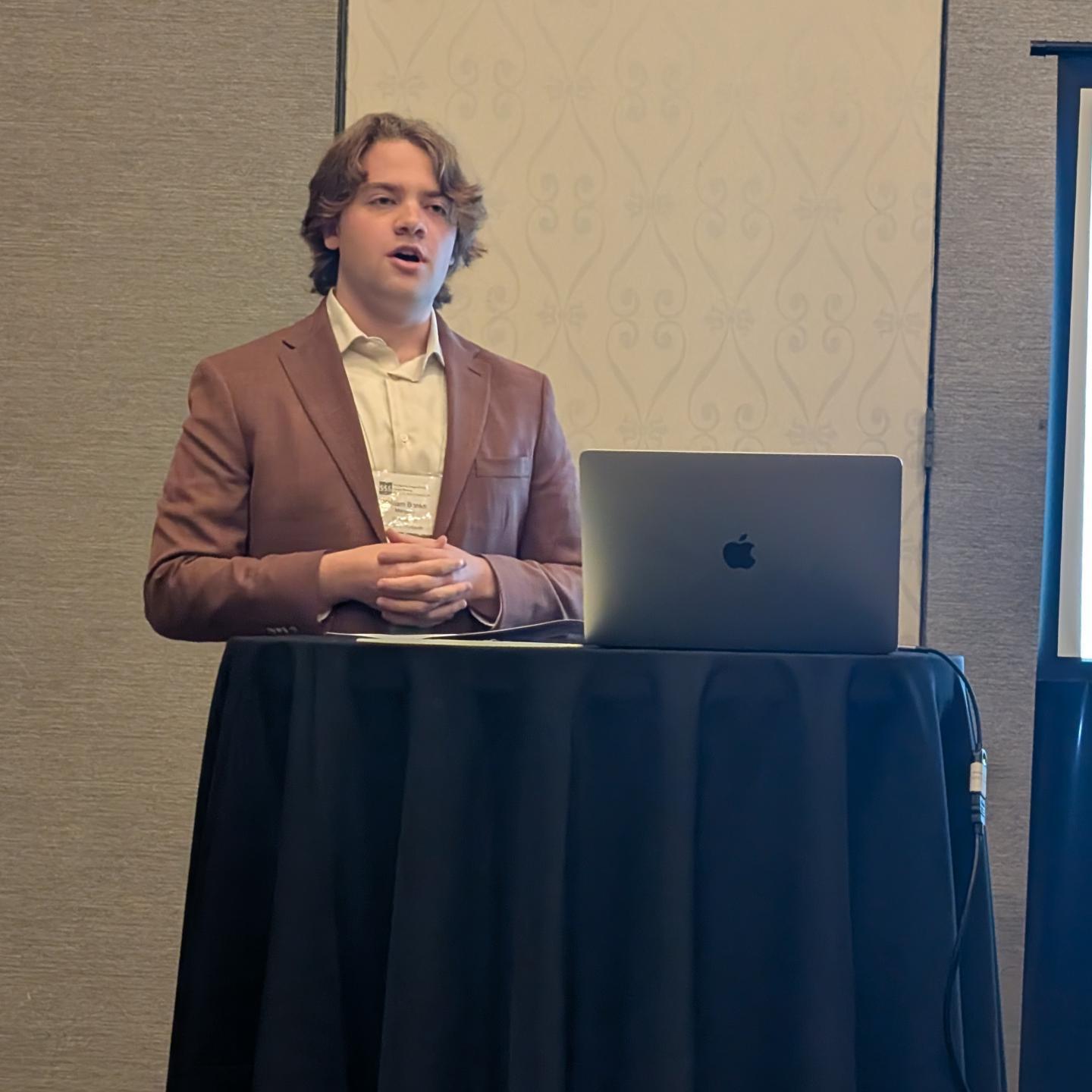
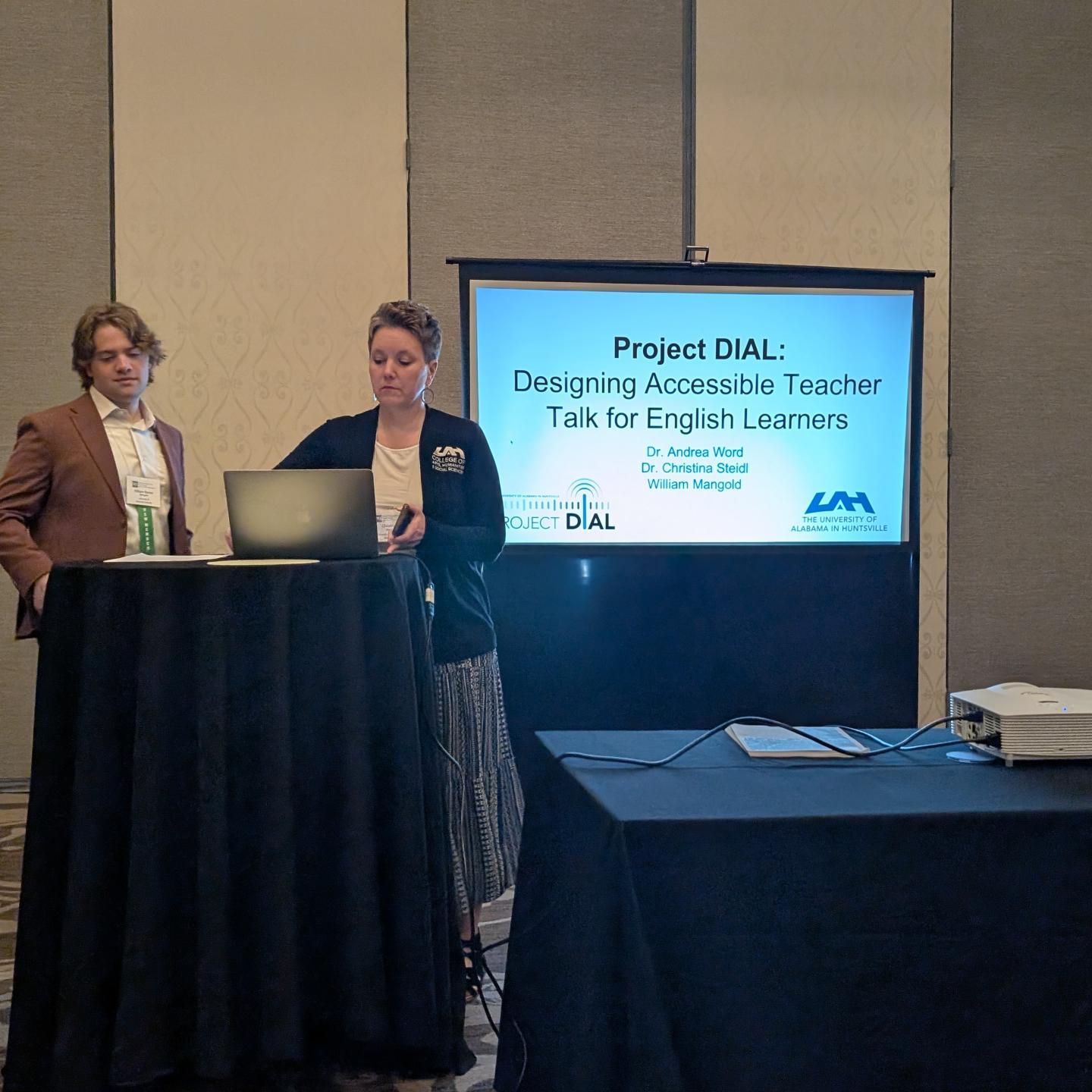
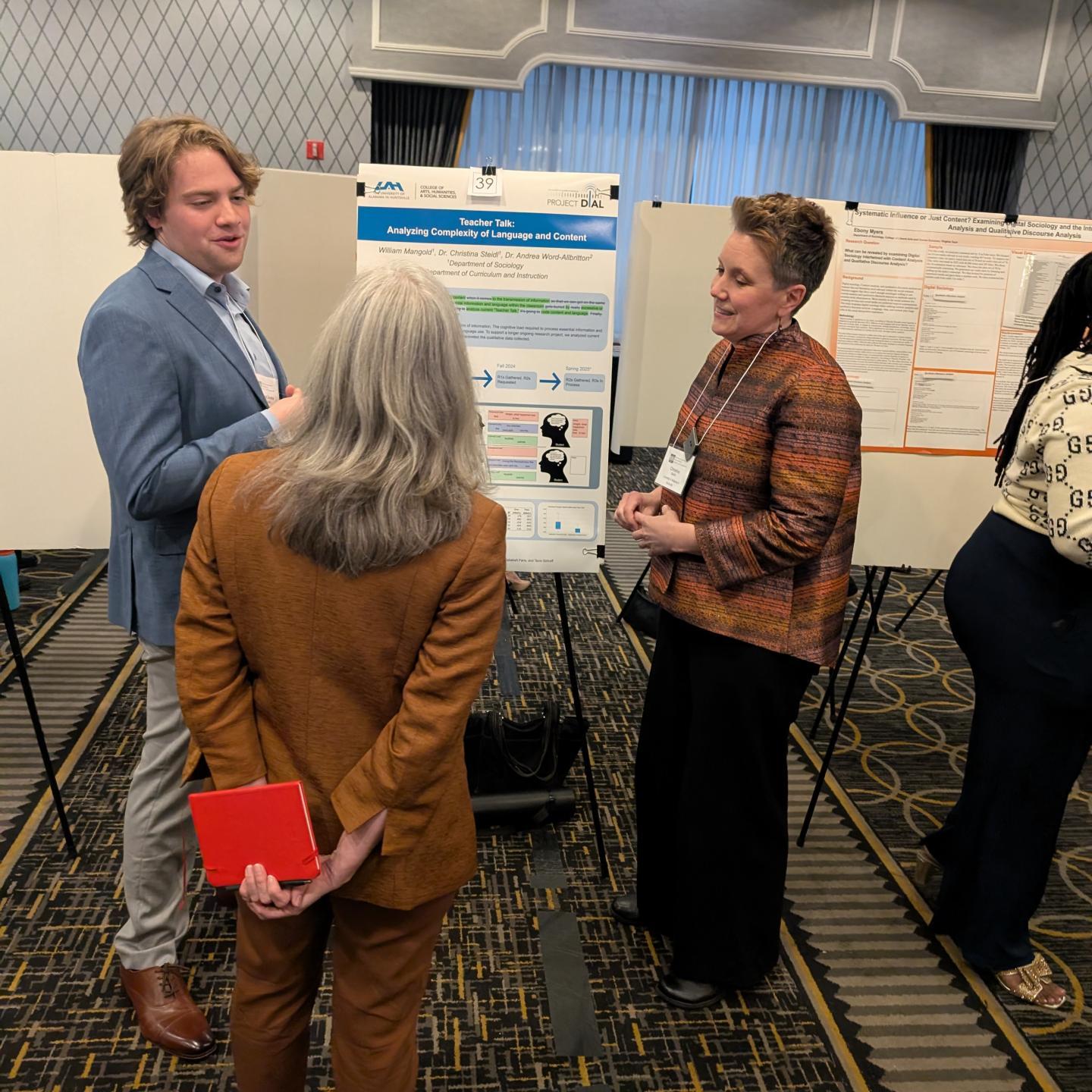
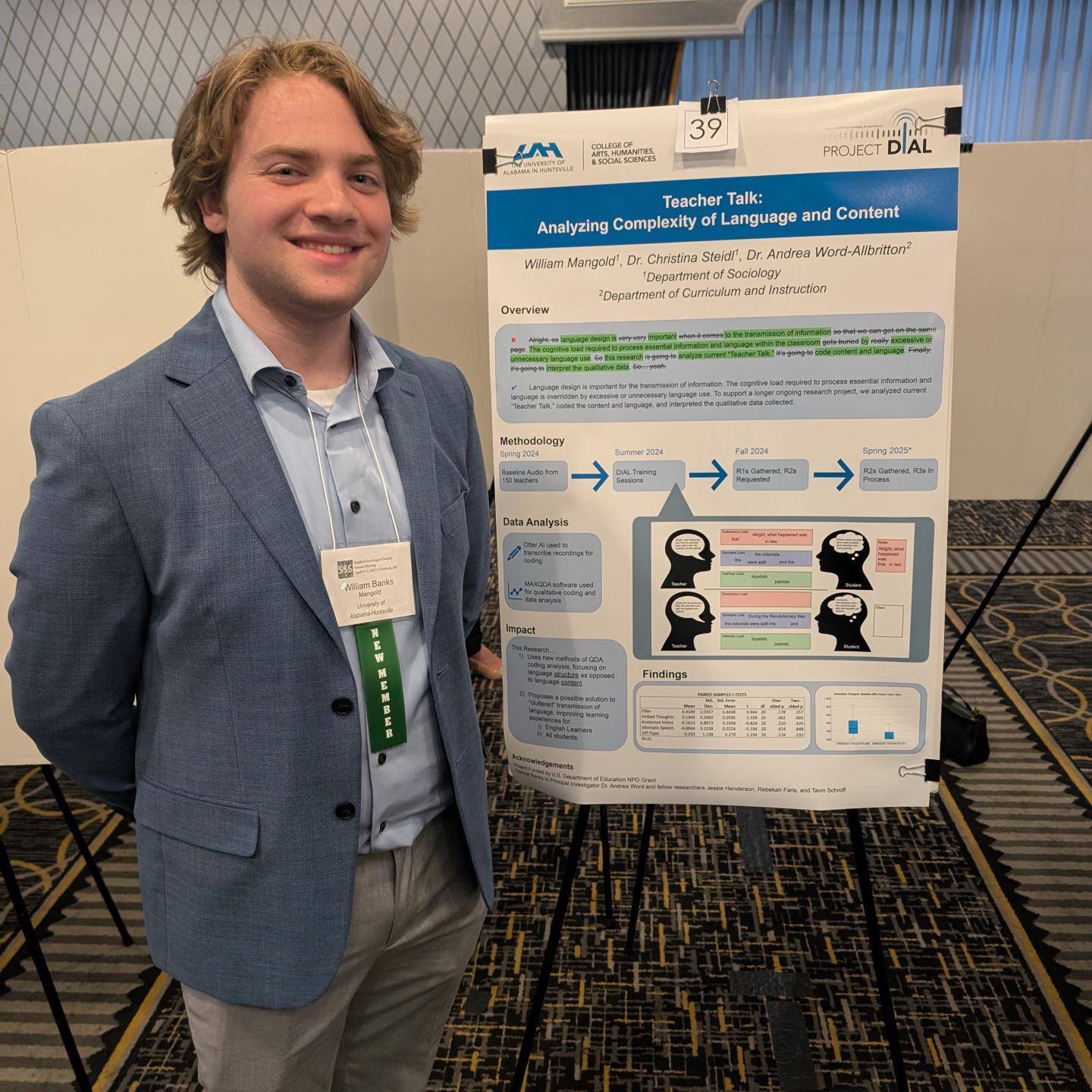
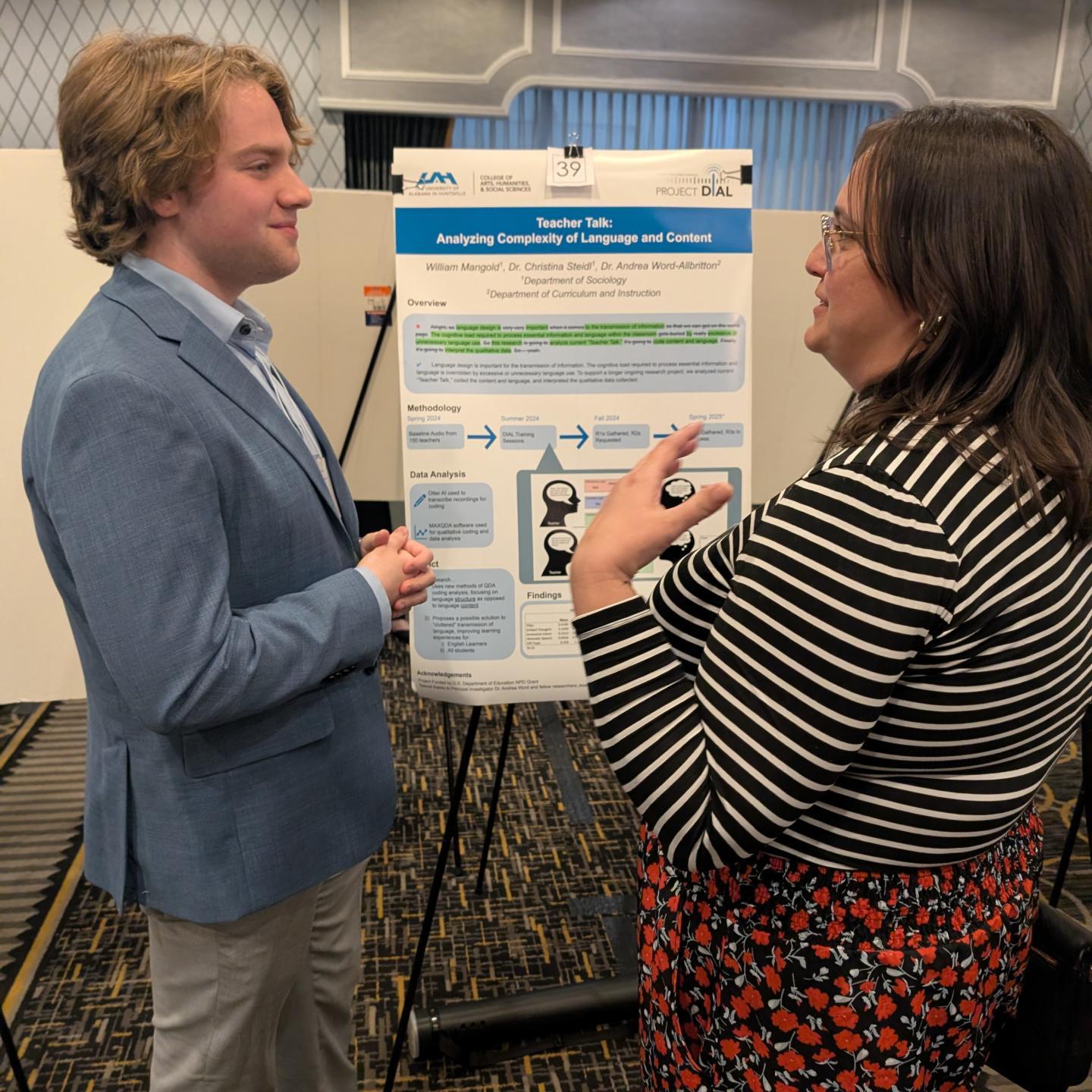
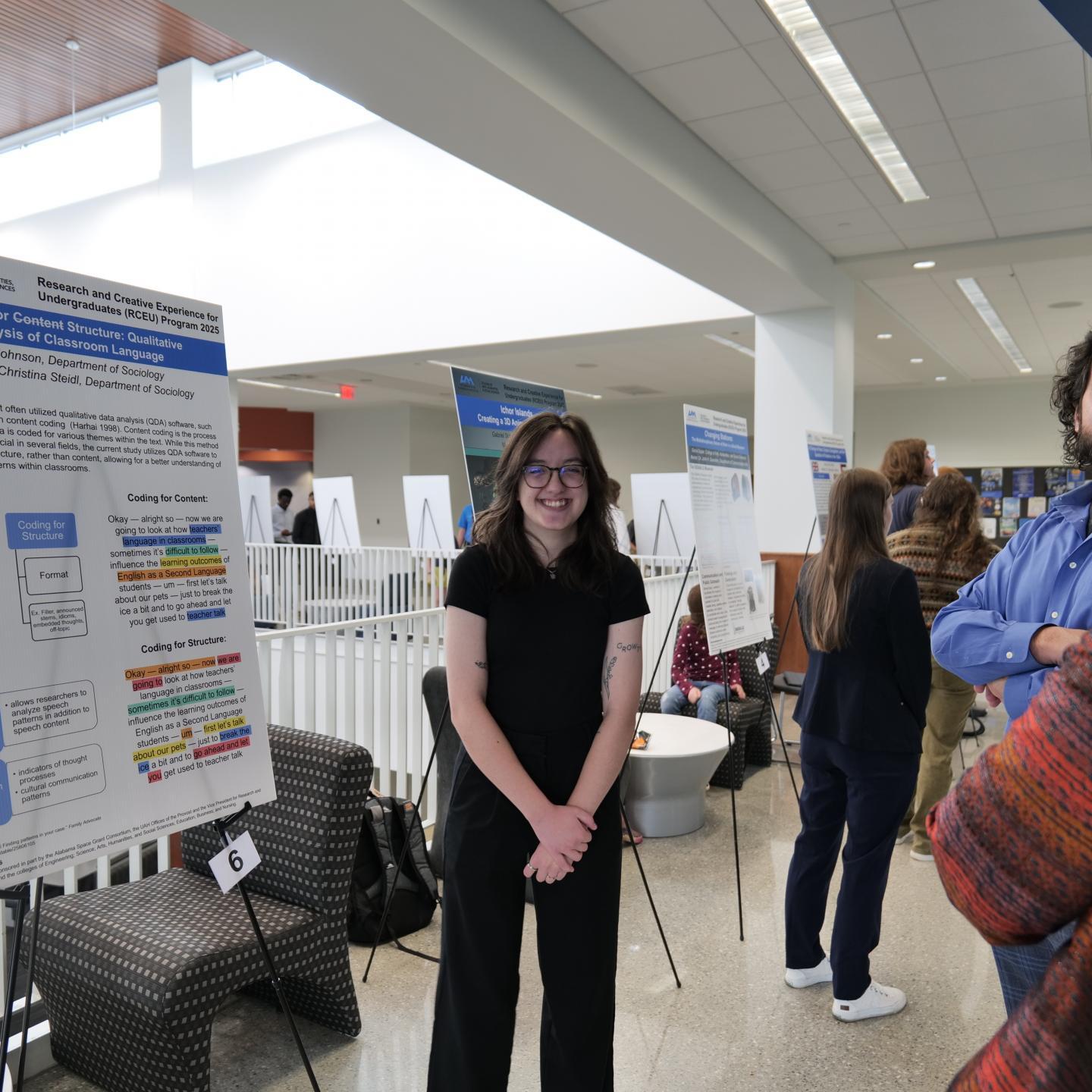
Dr. Christina Steidl continues her work as Co-P.I. and Director of Research for Project DIAL (Designing Instruction for Academic Literacies), a collaboration with colleagues in the College of Education, Sport, and Human Sciences. Project DIAL trains teachers to analyze and intentionally design their instructional talk to reduce the cognitive load associated with language processing—in order to optimize the cognitive load available for content processing. Several Sociology majors, including Will Mangold and Zoe Johnson, are working as undergraduate research assistants with Project DIAL, where they are learning qualitative coding of teaching transcripts, as well as data cleaning and statistical analysis. Dr. Steidl is also part of a multi-university team exploring veterans career and educational trajectories. With multiple published papers and others in process, this team has found that military service may influence the trajectories of male and female veterans differently. For example, new analyses show that G.I. Bill Benefits substantially increase the rate of male veterans who go on to earn a bachelor's degree, whereas female veterans are more likely to go on to earn a bachelor's degree regardless of G.I. Benefits. Obviously, these types of analysis have implications for public policy effectiveness and implementation.
Dr. Robert Thomson
Starting in Fall 2025, Dr. Thomson has been serving as the program coordinator for the College's interdisciplinary Justice and Equity Studies minor. With psychology major Emily Morgan, he co-presented the paper "Bible as a Sacred Canopy" at the Annual Meeting for the Society for the Scientific Study of Religion in Minneapolis, MN. Dr. Thomson was selected for research leave in the Spring 2027 semester, where he plans to work on his newest book project, Religion & Crime, which just received a contract from the University of Toronto Press. The book originates from Dr. Thomson’s upper level class of the same name.
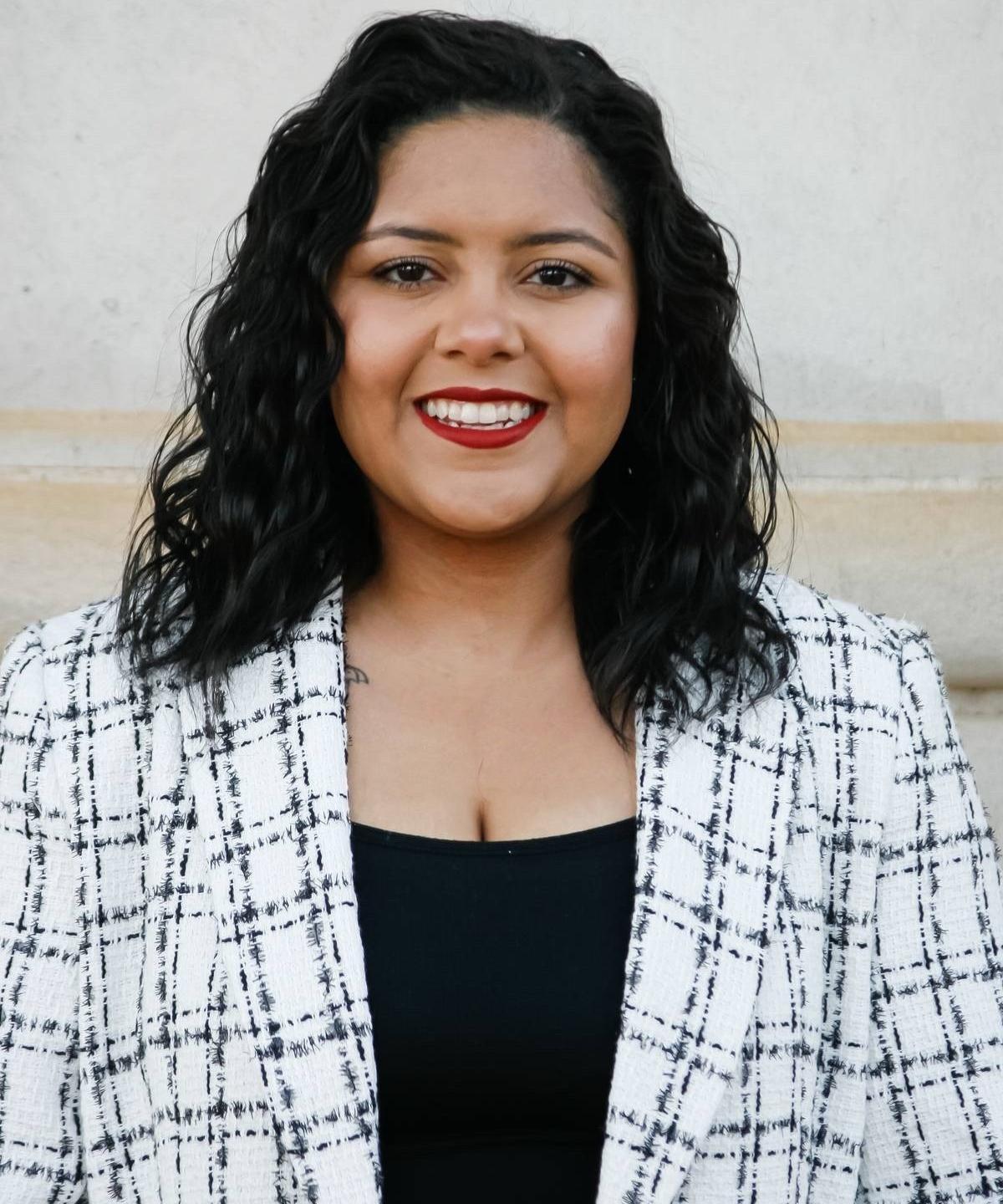
Internship Spotlight: Alissa Corbin
Can you tell us where you are interning this semester, and what you have hoped to learn?
This semester I am interning at Jackson County Juvenile Probation. I have worked alongside this organization through my current job with the Youth Advocate Program, also located in Jackson County. In my current position as an Advocate with the Youth Advocate Program, I have provided services to many juveniles which has been both rewarding and toilsome. Within the services I provide, I often accompany juveniles to their appointments with their Juvenile Probation Officers in order to offer support and establish clear communication regarding the juvenile’s progress. These interactions piqued my curiosity about the legal aspects associated with supporting the juveniles I work with. In seeking out this internship I hoped to learn more about the processes that occur before the juvenile is referred to the organization I work for, and learn more about the role of a juvenile probation officer. This career is not one that was advertised often, and I wanted to learn the complexities of a position that I knew very little about.
Describe a typical day at your internship site.
Typical is not a word that I would associate with my internship site. Each day, despite scheduled appointments, many interactions are unpredictable. Some days are quieter than others, specifically non-court days. On court days it is typical for individuals to arrive early, and the lobby to be overly full. Due to this I often start these days by assisting the receptionist with checking in patrons. After this, I sit in on various meetings between Juvenile Probation Officers and the attorneys associated with their cases. These meetings are often where terms of probation are discussed, negotiated, and confirmed. After the agreement on terms, the order is then presented to the judge and court commences. Most of my days have been strictly supervisory in nature, however when there were slower days I used my time to digitize the organization's intake form.
What are the most challenging and rewarding aspects of your internship?
The most challenging aspect of my internship is the emotional labor that is required in everyday interactions. While I am mostly supervising interactions, I still encounter many emotional cases that, if I do not engage in emotion work, could affect me greatly. In remaining conscious of the emotional labor necessary for this role, I am able to maintain a neutral position despite the nature of the information being presented in various environments, and I am able to regulate my own emotional processing of the day’s events to reduce emotional fatigue.
The most rewarding aspect of my internship is the development of new skills. This internship has introduced many tools, interpersonal dynamics, and opportunities that I had not previously interacted with. Due to this, I have been able to contribute to new developments within the organization. Specifically the development of a digital intake form, in which I utilized the skills I have acquired throughout my sociology classes as well as those acquired through my internship.
Which sociology classes have been most helpful in your internship, and how have they been useful?
The sociology courses that I believe have been the most helpful in my internship would be research methods, sociology of drugs and society, sociology of policing, sociology of gender, and sociological theory. These courses have guided me through my internship by allowing me to view situations and interactions through different sociological lenses. These courses also equipped me with valuable skills such as observation, survey development, peer-review, and communication which has aided me in contributing valuable services to this organization. Not only has this prepared me for this internship, it has also prepared me in securing future employment as my diverse knowledge and perspectives is very helpful when engaging in roles that directly interact with clients.
Has your internship changed your career goals or plans after graduation?If so, how?
Yes! This internship has definitely changed my career goals. Specifically, before this internship I was very interested in continuing my education to become a licensed counselor for juveniles. However, this internship has really revealed my strengths, and allowed me to see other available opportunities that I have a lot of passion for. I now have found a position within the legal field to gain more experience as I work towards a career as a Juvenile Probation Officer. I have learned during my time with Jackson County Juvenile Probation that this career path takes a lot of dedication and passion. I have always had a mindset towards serving at-risk youth, this internship has been a significant step towards allowing me to see the various opportunities I have to serve this population.
What should future students know about working in the juvenile probation space as interns?
Future students should know that confidentiality is an integral part of working in the juvenile probation space as interns. Juvenile records are sealed records so confidentiality is extremely important. Confidentiality is also important as juveniles face a lot of social pressure, and a lack of confidentiality could increase the pressure they face which could negatively affect their rehabilitation. In addition to confidentiality, when working as an intern within this space, asking questions is extremely beneficial. Asking questions demonstrates an eagerness to learn and understand such a complex role. Working within this space also provides many opportunities to network as juvenile court works hand-in-hand with many organizations. Due to this, I would suggest making the most of those opportunities by networking with as many professionals as possible.
What has been the most interesting thing you've learned so far during your internship with Juvenile Probation?
The most interesting thing I have learned so far during my internship with Juvenile Probation is the vast majority of professionals that the probation officers work in coordination with in order to serve the youth. I knew that probation officers connected juveniles and families to resources, but I never knew the extent to which the various organizations worked together to provide support for the youth. It was really interesting to me to see how involved each area of professionals were in creating a plan and providing resources for the juveniles they serve to have successful futures.
You’ve observed court hearings and meetings with families—what surprised you the most about how the juvenile justice system works?
What surprised me the most about how the juvenile justice system works, specifically in relation to court hearings and meetings, is the standard of communication between professionals. I was under the assumption that the roles present within the juvenile justice system were independent of one another. Specifically, I believed the roles of the judge, attorneys, mental health professionals, and Juvenile Probations Officers functioned independently before gathering as a whole in a specific context such as court. However, I have learned during this internship that the roles are very interdependent, and the communication between the professionals is continuous after the initial point of contact. This established system of interconnected communication allows the juvenile justice system to maintain a collaborative effort in finding solutions, resources, etc. for the youth that they serve.
You created a new digital intake form. Why was that important, and what did you hope to improve?
Creating a digital social history intake form for this organization was very important, as their previously used intake paperwork was very lengthy. Due to the amount of paperwork provided at intake many participants were omitting information which then restricts the probation officer from having a fully developed depiction of the juvenile's social history. In creating the digital form, I was able to make each item required which would not allow participants to complete the form without providing answers to each item. In doing this, I hoped to aid the Juvenile Probation department in gathering all necessary information for their participants at intake. This was also designed with the hope of improving the way in which resources are allocated, and the approach of the Juvenile Probation Officers as they would have a more defined representation of the participant’s social history.
After seeing how probation officers work every day, what do you think is the most important part of their job?
I think the most important part of the role of a juvenile probation officer is patience and emotional labor. Everyday they are faced with unpredictable situations that are difficult, frustrating, rewarding, and everything in between. Due to this, I have seen that the most important aspect of their role is their dedication to doing the emotional labor necessary to perform their job to the best of their capabilities. In addition to this, patience is a quality that is necessary for this role. Due to the unpredictability of their job, they have to conduct themselves with patience everyday. However, it is not only the unpredictability of the role, but that most individuals are dealing with a very difficult time in their lives so it is important to equip themselves with patience daily.
Senior Spotlight: Zoe Johnson
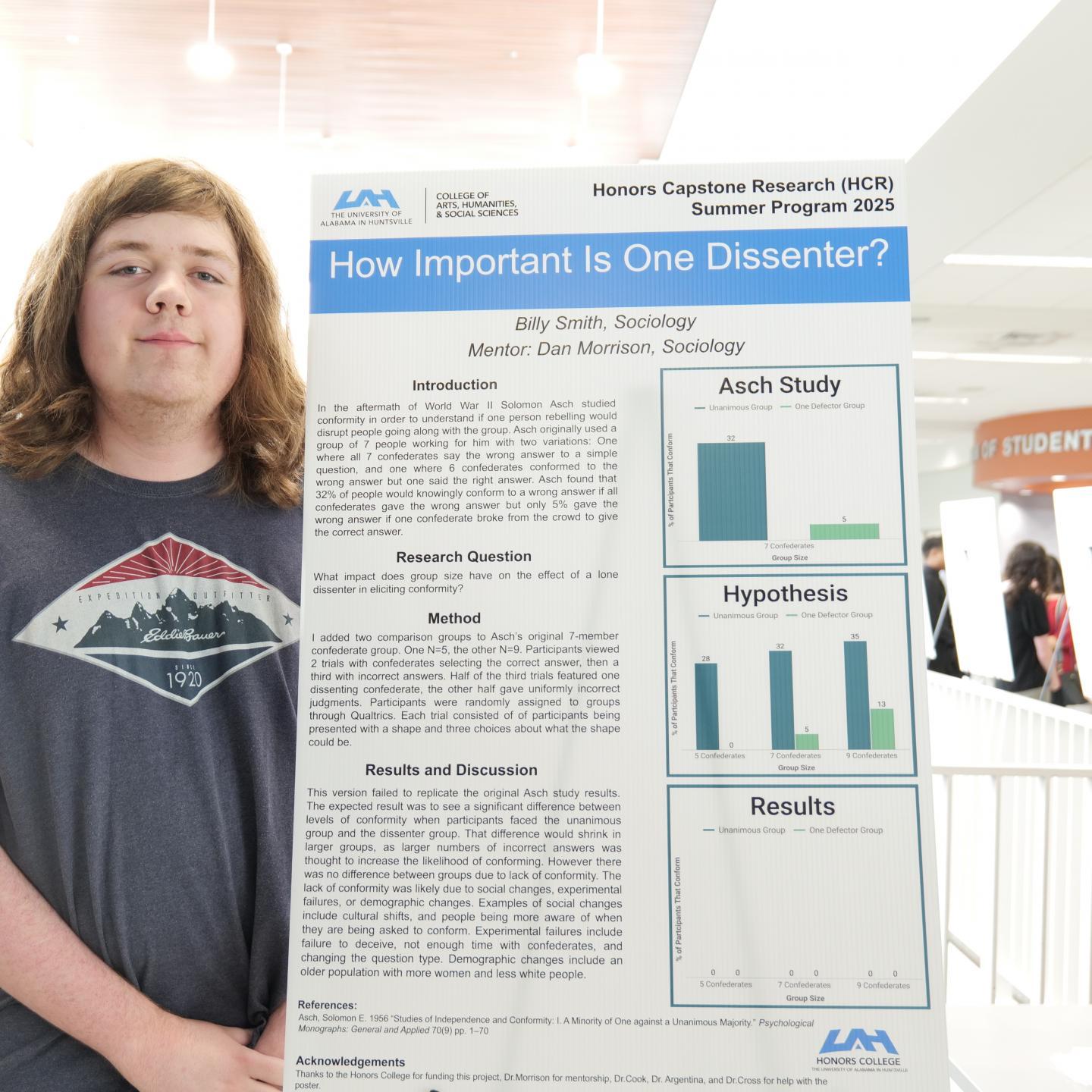
Zoe Johnson is one of our outstanding sociology students set to graduate in May 2026. Recipient of the department’s Outstanding Student Award, Johnson is planning a career as a researcher and educator.
What inspired you to major in sociology?
I was inspired to major in sociology because of my persistent passion for societal issues. I have always considered myself a strong advocate for a wide array of social issues. As part of this advocacy, I seek to understand each facet of an issue in order to defend my position as effectively as possible. Majoring in sociology has given me countless opportunities to look deeper at the root causes of social issues and begin discussions on the best method to alleviate these issues. I strive to amplify the voices of those historically silenced in our society, and studying sociology gives me the chance to do so properly. I believe that it is becoming increasingly more crucial that individuals take the time to research each and every component of the society they are part of, not just for their own generation, but for those who have come before them and those who will come after them. Additionally, sociology pairs incredibly well with those also studying psychology. Psychology grants you the understanding of the individual, while sociology grants you the understanding of the group. Both are valuable in our day-to-day interactions.
How did your coursework at UAH challenge your understanding of American society? Can you provide specific examples that significantly impacted your thinking?
My coursework at UAH has challenged my understanding of American society by emphasizing that structures we have become accustomed to are able to be changed. When discussing societal issues in any manner, I often hear others state that we cannot fix a problem because “that is how it has always been.” In reality, every era of society has resolved issues stemming from its predecessor and created novel issues for its successor. Several courses that I have taken at UAH have shown me that most—if not all—ideas are simply a social construct: a construct which can be molded to fit the needs of its context and environment. For instance, a course that I took on deviance and social control frequently discussed how “deviance” itself has been defined and attributed differently over time. Originally, acts of deviance were thought to emerge from an individual’s lack of religious spirit, and this idea then developed such that society believed deviance came from mental illness of some sort. In modern society, sociologists state that deviance originates as a culmination of several factors, such as inequality, peer influence, and societal structure. This course in particular allowed me to better understand how numerous behaviors, positive or negative, are the result of the society we identify with in some way.
Tell us about any research projects, internships, or community engagement activities you have been involved with. How did these experiences enhance your understanding of sociological research methods and their practical applications?
The first sociological research project that I conducted was investigating the causes of anti-vaccination beliefs. To complete this research, I created a fake Facebook account and followed four anti-vaccination social groups. I collected about 150 posts and comments detailing why individuals held anti-vaccination beliefs, then qualitatively analyzed them according to several themes I constructed. This experience enhanced my understanding of ethnographic research by showing how meaningful conclusions can be drawn from observational research. It also emphasized the widespread importance of research, as all findings can be applied to more than just the field it originated in. For instance, while the findings from this project could be beneficial for sociologists, it can also be beneficial for teachers, healthcare workers, and law enforcement. Another research project that I have worked on since May 2025 is Project DIAL with Dr. Christina Steidl. This project examines if a linguistic intervention can increase the accessibility of “teacher talk.” While this research is focused on improving learning outcomes for students learning English as their second language, the effects of the intervention can be beneficial for all students regardless of their background. Project DIAL has given me the opportunity to expand my understanding of qualitative research methods and has given me experience using qualitative coding software, as well as statistical coding in SPSS.
How did the social environment at UAH shape your sociological perspective?
The social environment at UAH shaped my sociological perspective because of the diverse student population. Though UAH is a STEM-focused university, with a majority of STEM students being White and male, the sociology department itself is quite diverse in terms of gender identity, racial identity, age, sexual orientation, etc. Having classmates in my sociology courses that had drastically different identities and histories gave me the opportunity to build a more holistic sociological perspective by listening to real-life experiences in a variety of areas, from workplaces to education systems. It is one thing to read about societal experiences or issues in courses, and a whole other thing to be able to connect textbook chapters or articles to a tangible individual. Ultimately, the broad range of students furthered my understanding of sociological concepts and granted me real-life examples of how these concepts function in our society.
How has your sociology major at UAH prepared you for your future career goals?
My sociology major at UAH has prepared me for my future career goals by giving me several research opportunities, all of which have utilized different methods and analysis approaches, allowing me to gain a wide range of experience. As one of my future career goals is to conduct research, I greatly value all of the projects I have had the honor to work on because of my sociology major. Another one of my future career goals is to teach college-level courses, which my sociology of education course has helped me to prepare for. In this course, I learned in-depth about how students succeed and falter, barriers in education, and ways to approach learning and teaching. Understanding the sociology of education will allow me to structure my courses in the most effective and accessible manner in order to ensure I am doing all that I can to aid my students in their successes. It will also allow me to recognize the specific challenges that my students are facing in their courses, whether it is an internal or external challenge.
In what ways has your sociology major contributed to your personal growth? How has it shaped your worldview, critical thinking skills, and ability to analyze social issues?
My sociology major has contributed to my personal growth by greatly developing my critical thinking skills. My coursework has given me the ability to recognize the root causes of social issues and analyze these issues on a deeper level. There is a surplus of vital information that is neglected when individuals only view issues from a surface-level perspective, rather than understanding the countless factors that contribute to an issue. My sociology major has emphasized the importance of constructing a holistic perspective when it comes to any social experience or problem. For instance, regarding students struggling in their courses, the cause of these struggles is rarely that the individual is just “lazy” or a “bad student.” Often, students struggle in their courses because of familial or systemic causes, of which these causes are frequently neglected or brushed off as being something that they are not. Throughout all of the sociology courses I have taken, I have learned to analyze a situation before drawing conclusions—not only when it pertains to a societal issue, but also in my personal life with any difficult situation.
Reflecting on your time at UAH, what are you most proud of achieving as a sociology major? What advice would you give to future sociology students?
As a sociology major, I am proud of the research that I had the honor of conducting. Throughout my time at UAH, I conducted three different sociological research projects: 1) the reasons for anti-vaccination beliefs, 2) the influence of the “American Dream” on perceptions of poverty, and 3) Project DIAL. I am deeply proud of the work and effort that I put forth into each of these projects. These projects all pertain to issues I hold closely to my heart, and I am grateful that I was able to translate this compassion into empirical and scientific findings. I am fortunate to have gotten the chance to conduct this research alongside mentors who never faltered in their support for me and always pushed me to reach my full potential, both as a student and as a researcher. The advice that I would give to future sociology students is to go after the opportunities that you want. Whether it is a research project you are passionate about or an internship you would love to have, believe in your abilities to succeed. Everything you want is on the other side of fear. Reach out to those around you if you need help: there is never any shame in asking for help.
Congratulations Recent Graduates
- Bree Adhami
- Maryam Ahmed,
- Julia McCullars
- Harper Noe
- Kayanna Nunez
- Alexandra Posey
- Andrew Rankin
- Sydni Taylor
- Payton Vines
Keep in Touch, Contact the Department
Email: soc@uah.edu
Phone: 256.824.6190
Share the newsletter and send the sign-up link to alumni and friends!