UAH teams win six awards, including 1st place overall in the RC division, at the 2026 NASA HERC competition
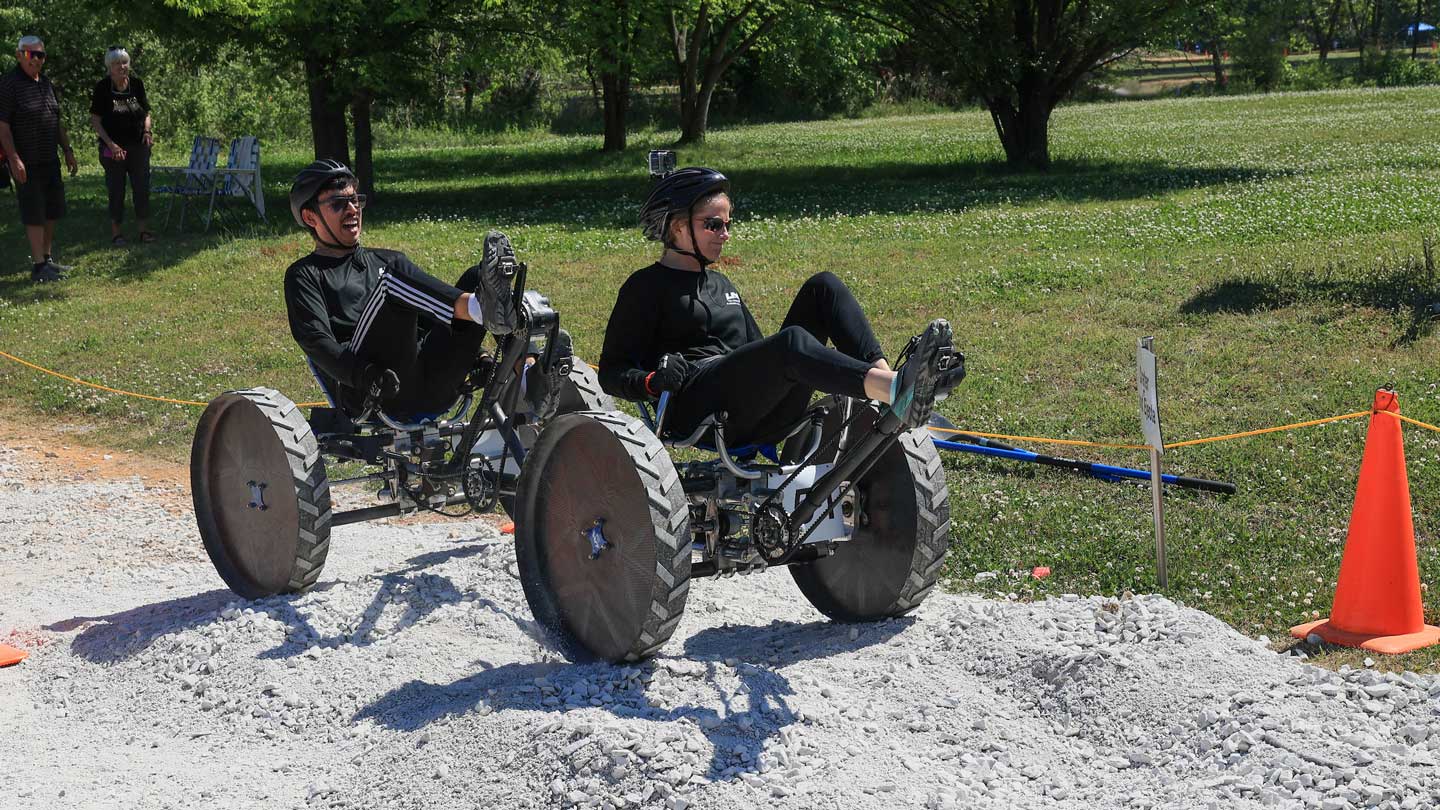
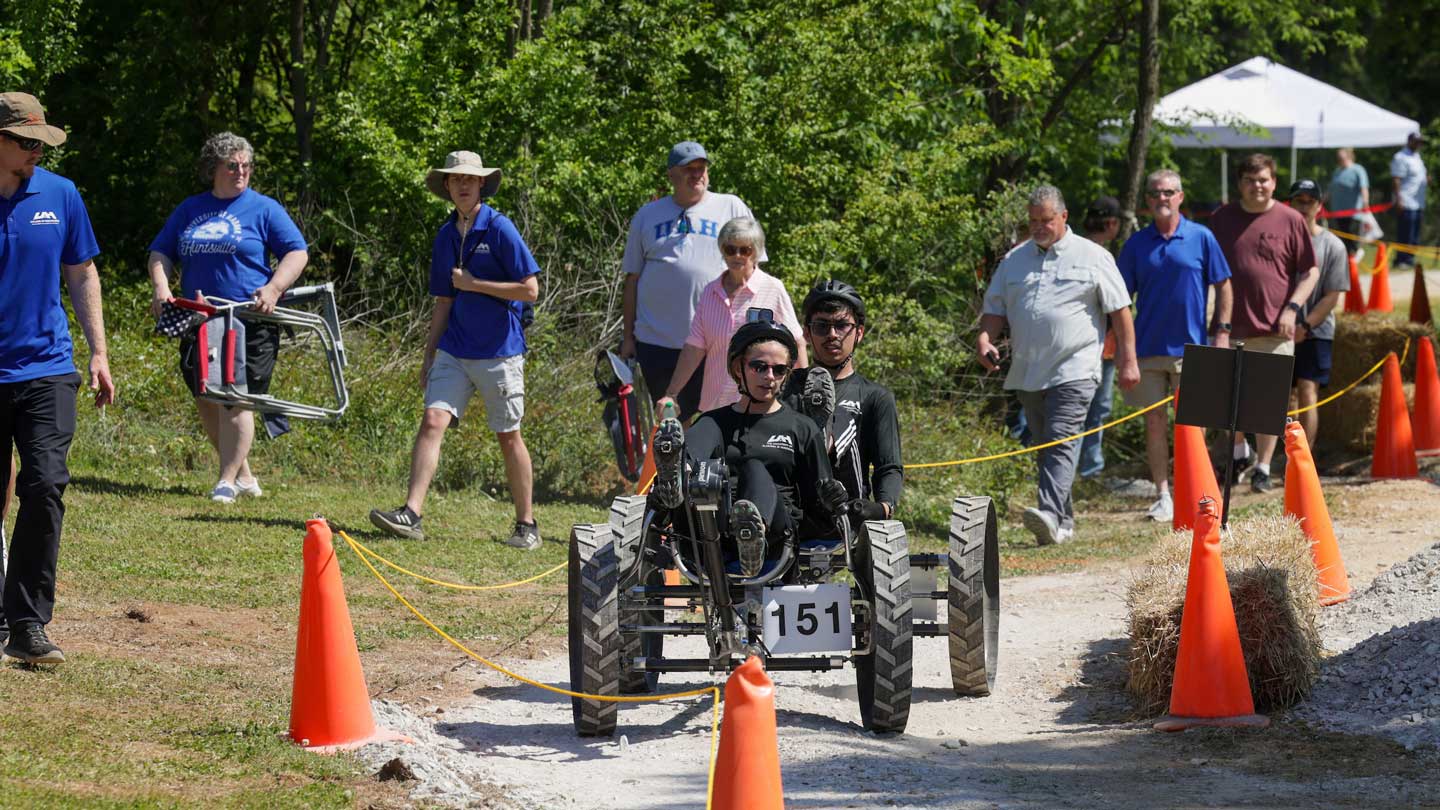
In the Human-Powered division, UAH’s rover scored a third-place overall finish at the 2026 NASA HERC competition.
Teams from The University of Alabama in Huntsville (UAH), a part of The University of Alabama System, captured six major awards across both the RC and HP divisions at the 2026 NASA Human Exploration Rover Challenge (HERC), April 9-11. Competing against top collegiate teams from around the world, UAH engineering students secured first place overall in the Remote-Controlled (RC) division, along with garnering Best Presentation and Best Task Tool honors. In the Human Powered (HP) division, the university squad added a third-place overall finish, as well as the Most Improved and the prestigious Crash & Burn awards, underscoring both technical excellence and team resilience.
Hosted annually in Huntsville at the U.S. Space & Rocket Center as part of NASA’s workforce development initiatives, HERC is a rigorous nine-month engineering design competition that mirrors real-world aerospace project cycles.
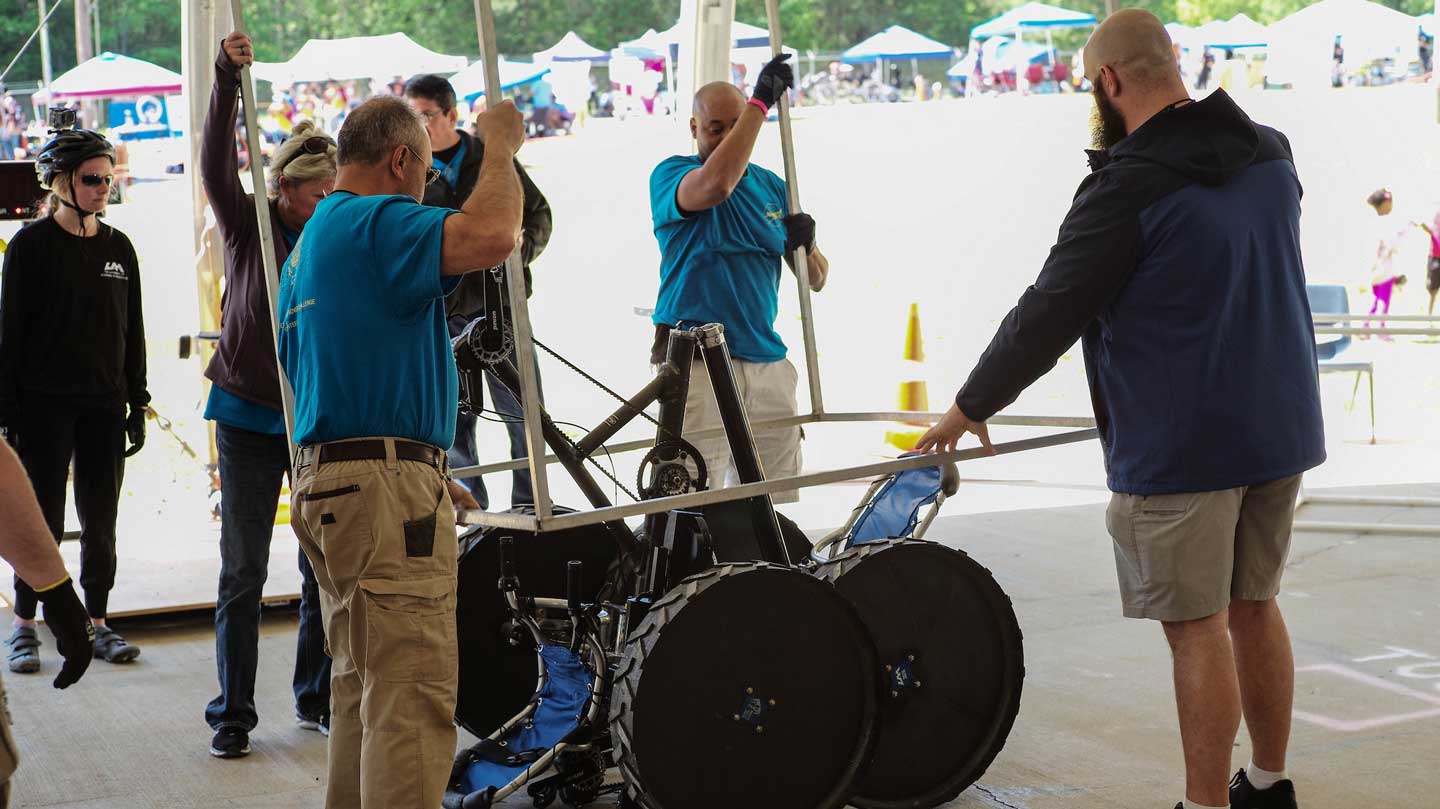
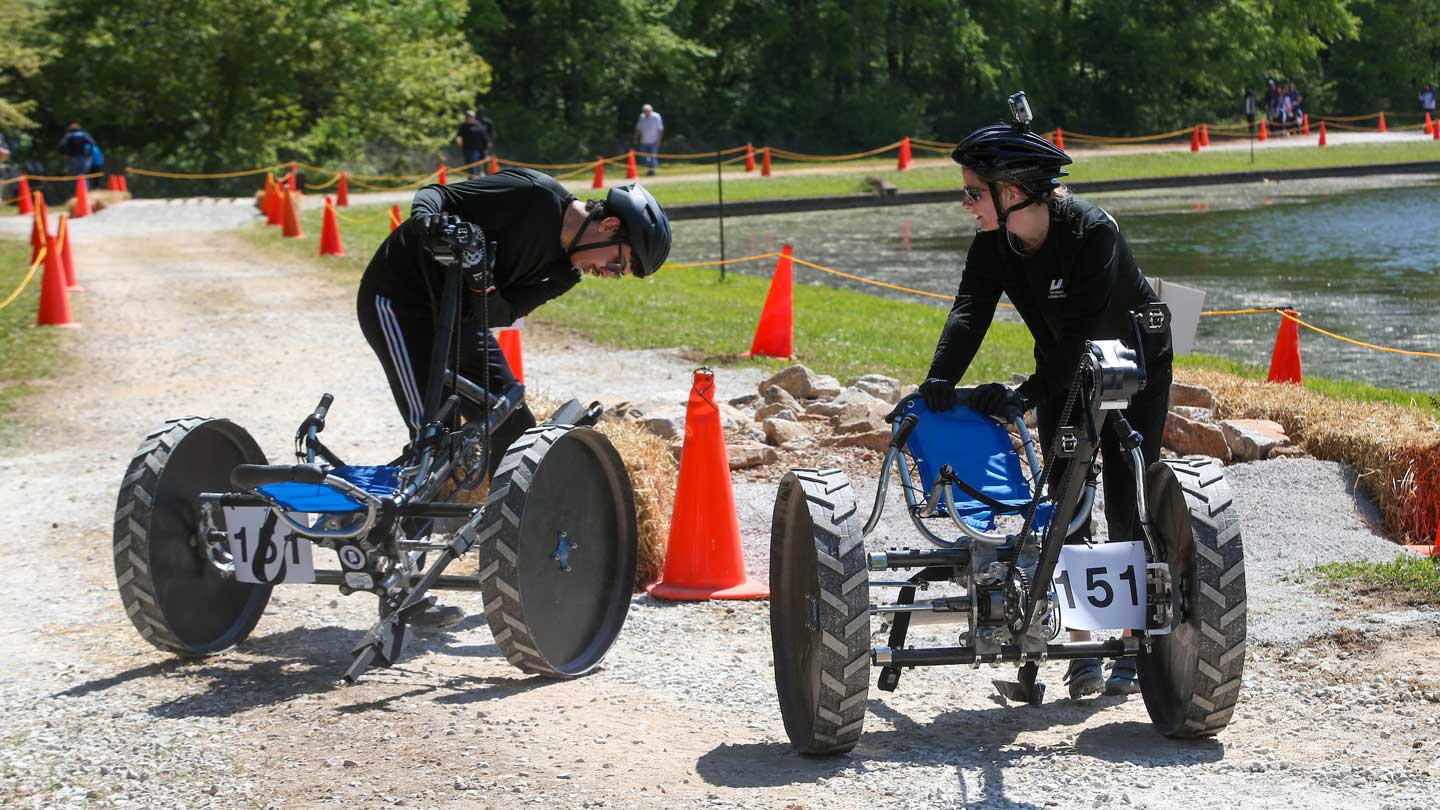
UAH’s RC rover completed its mission flawlessly, navigating the terrain and executing tasks successfully from start to finish. The HP rover, however, suffered a catastrophic failure of a frame joint while attempting the bouldering obstacle. Despite the setback, the team recovered and completed additional course elements, ultimately contributing to its recognition with the Crash & Burn honor.
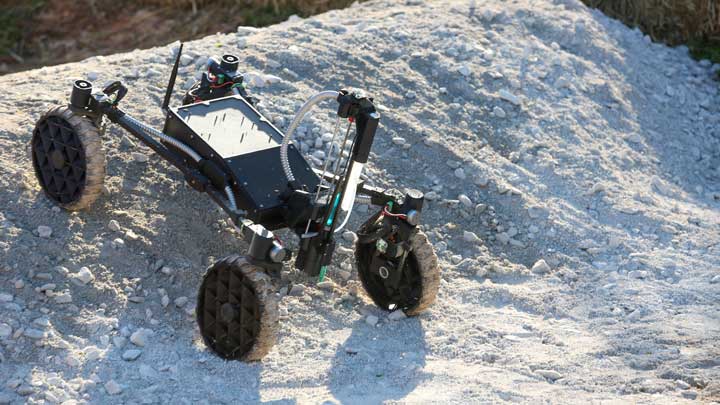
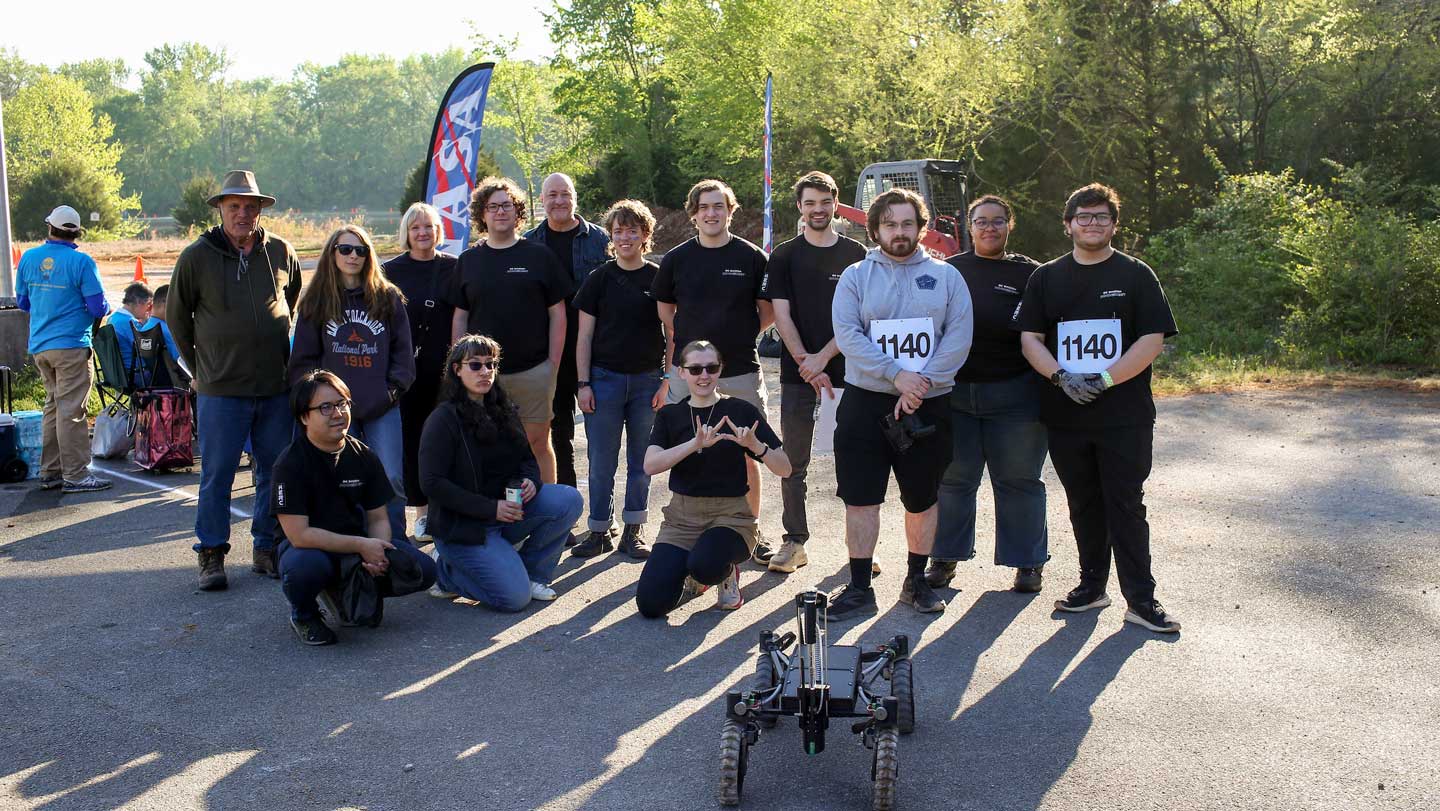
UAH’s Remote-Controlled rover powers over an obstacle to complete a flawless mission, picking up first-place overall as UAH’s first foray into the RC competition.
“The RC rover was the first time that UAH has participated in that category,” says David Fikes, senior lecturer of mechanical and aerospace engineering and UAH team advisor. “They designed and built the best RC rover of the competition.” The RC team also earned Best Presentation for its effective and professional communication of engineering design decisions, as well as Best Task Tool in recognition of its mission systems.
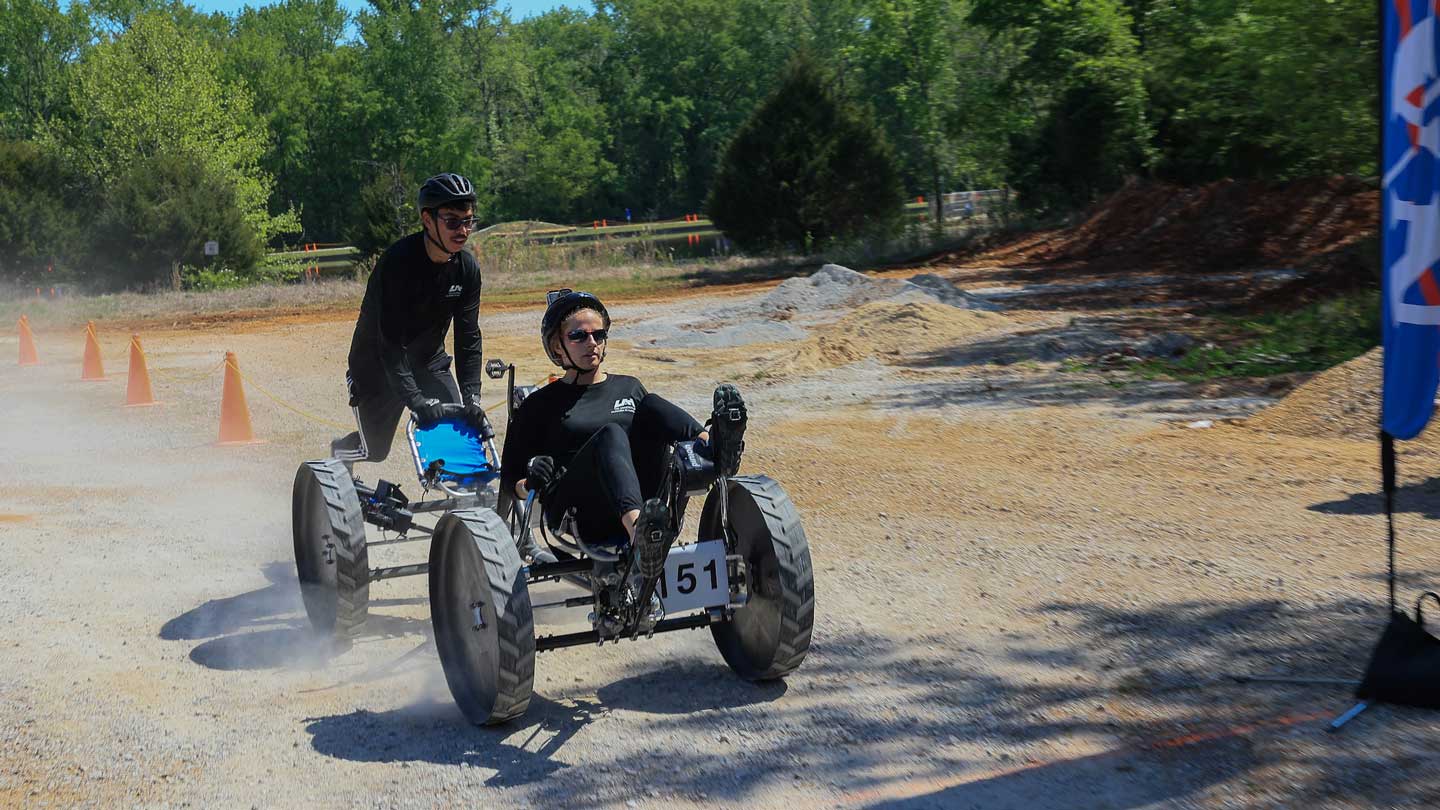
In the Human-Powered division, UAH’s rover scored a third-place overall finish. The vehicle achieved a notably low mass – under 130 pounds – and incorporated carbon fiber composites in its construction, reflecting advanced engineering approaches typically seen in aerospace applications.
“The HP rover was an awesome achievement,” Fikes says, noting its design “will set a precedent for future UAH teams in their design for aerospace products.” A failure of the drivetrain chain system during Saturday’s excursion prevented a perfect run despite successfully completing all obstacles and tasks up to that point.
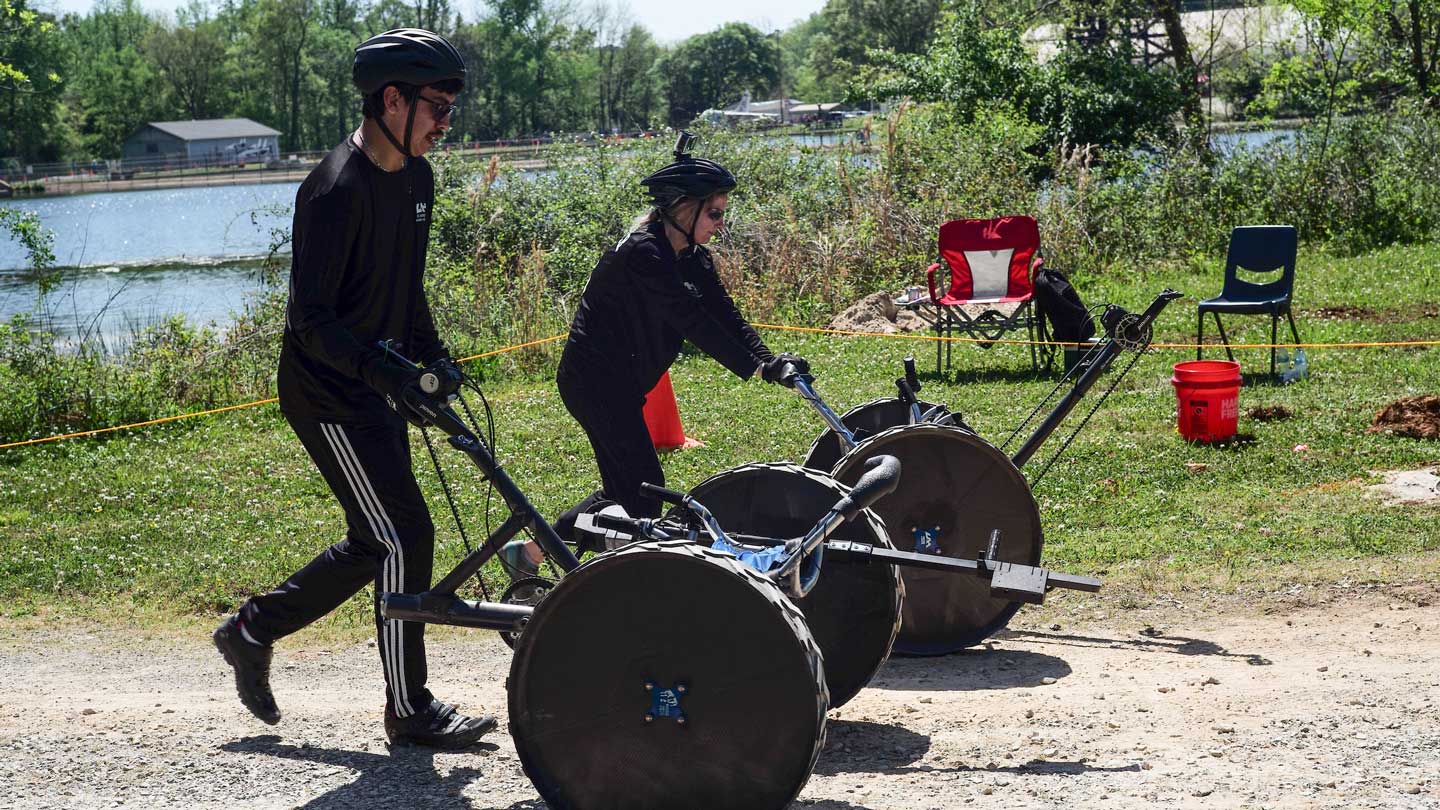
The HP team navigated challenging terrain, included overcoming the same bouldering obstacle that had previously caused the frame failure, as well as completing the High Butte obstacle. The squad’s ability to recover and adapt after mechanical difficulties was honored for problem-solving in the face of setbacks. “The HP team showed that UAH can bounce back from failure and be very resilient,” Fikes says. “They always keep searching for alternatives and better solutions until they find them.”
Fikes pointed out that the team’s impact extended beyond competition performance as well, evidenced by the support they provided to their fellow competitors. “The UAH HERC team helped about a dozen other teams repair their rovers,” the team advisor explains. “Both in the high school and college divisions, even our competitors. The team provided materials, loaned tools and even performed welding repairs for other teams throughout the event.”
Across both divisions, Fikes described the students’ defining trait as tenacity. “They are great examples of the kind of outstanding students we have here at UAH. Their attention to detail is outstanding.”
The results from the 2026 NASA HERC competition underscore UAH’s continued leadership in engineering education and its close connection to the nation’s aerospace ecosystem in Huntsville, home to NASA’s Marshall Space Flight Center. The university’s success reflects not only technical achievement, but also a culture of collaboration, innovation and perseverance that prepares students for future roles in STEM and space exploration.
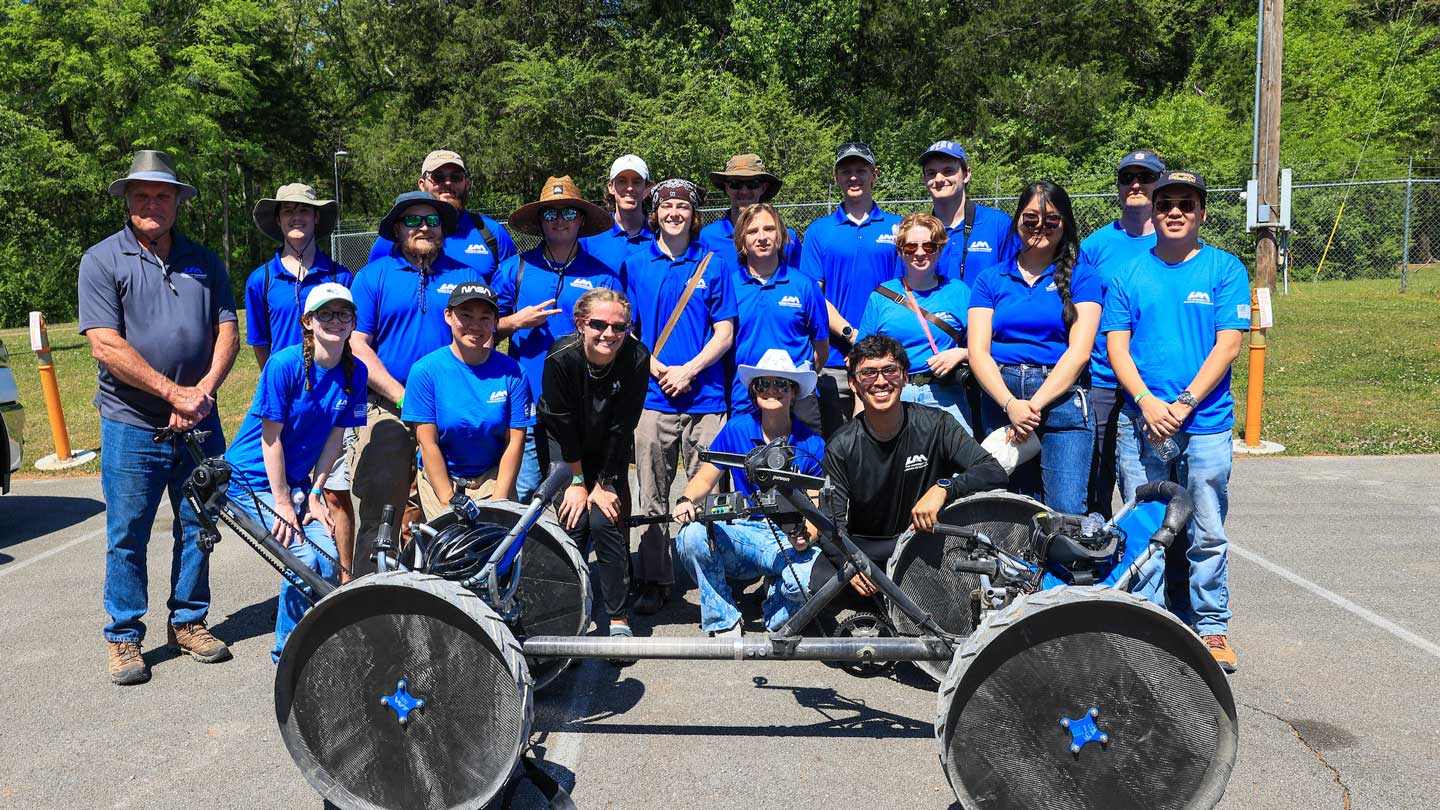
Human-Powered team members
| Team Member | Role | Team Member | Role |
|---|---|---|---|
| Carson Aaron | Wheels | Bradly McDonald | Suspension, ISE |
| Sarah Andrews | Manufacturing Lead, Steering | Erissa Morin | STEM Outreach Lead, Wheels |
| Allen Black | Frame Lead | Crewe Prough | Drivetrain Lead |
| Kaylee Brooks | Suspension, Safety | Josh Reed | Task Tool, Practice Course |
| Leah Beasley | ISE Lead | Eric Robinson | Drivetrain |
| Josh Cox | Team Lead, Steering | Cad Smallwood | Practice Course Lead, Suspension |
| Joe DeLuna | Suspension Lead | Emma Smith | Safety Officer, Task Tool Lead |
| Yoned Galarza | Finance Lead, Drivetrain | Ethan Smith | Frame, Drivetrain |
| Sam Jones | Steering Lead | Gabe Smith | Task Tool, Practice Course |
| Madie Krieger | Wheels Lead | Sofia Vincente | Frame, Wheels |
| Jackson Lee | Chief Engineer |
Remote-controlled team members
| Team Member | Role | Team Member | Role |
|---|---|---|---|
| Monisa Tshuma | Team Lead, Mechanical Team, Outreach Lead | Ainsley Cates | Chief Engineer, Electrical Team |
| Ethan Smith | Safety Lead, Electrical Team | Grant Morrison | Robotics Team |
| Evan Seliner | Mechanical Team | Leo Hubbard | Electrical Lead |
| Andrew Bianchi | Robotics Lead | Shobu Hasegawa | Mechanical Team |
| Kade Hagerson | Mechanical Lead, Outreach | Amanda Lee | Project Systems Team |
| Rachel Drake | Project Systems Team |