Written by: Aurora Wornham
Technical Expertise from: Dr. Rob Junod, Dr. Lee Ellenburg, & Brianne Minton
Research Conducted by: Kris White & Christina Amiot (NWS Huntsville)
“It’s not the heat, it’s the humidity!”
If you have experienced summer in Alabama, you know that adding humidity to an already hot day makes it even hotter! These two factors, temperature and humidity, are not only how we physically interpret the heat when we step outside, but also how the National Weather Service (NWS) determines dangerously hot conditions. However, temperature and humidity do not always tell the full story. People can respond to heat differently based on factors such as how unusual the heat is for a particular location, how long it lasts, and who is being affected. To better understand these impacts, the National Weather Service Weather Forecast Office (NWS WFO) in Huntsville recently completed a two-year study that examined additional factors beyond traditional heat measurements. The goal was to shift from simply identifying hot conditions to better understanding how heat affects the people experiencing it.
Key Findings
NWS WFO Huntsville recently studied how extreme heat affects people in North Alabama by combining weather records, health data, and past heat advisories from Huntsville and Muscle Shoals. The research found that temperature alone does not always tell the full story. Additional tools, such as NWS HeatRisk and Wet Bulb Globe Temperature (WBGT), can help identify dangerous heat conditions that may pose a greater risk to public health than the heat index alone suggests.
By considering factors such as humidity, overnight temperatures, how well people are acclimated to the heat, and which populations may be most vulnerable, forecasters can gain a better understanding of when heat is likely to have the greatest impacts on communities. NWS WFO Huntsville is using the results of this research to help inform heat advisories, watches, warnings, and public messaging this summer. Read more below to learn about these heat tools, how the research was done, and the results in detail.
Current NWS Heat Products
Have you ever gotten a notification on your phone that there is a Heat Advisory or Extreme Heat Warning in effect for your county? These are some of the products that local NWS Forecast Offices release when it gets hot or humid enough for extra precautions to be taken, or even if it is too hot or humid for outside activity to be safe at all. This is how the NWS helps protect the public during the summer and prevents heat-related illnesses every year. A Heat Advisory is released when conditions are not intense enough for an Extreme Heat Warning, but still enough that it is worth considering postponing outdoor daytime activities or taking extra precautions, like extra hydration, shade breaks, and staying in cooler areas. An Extreme Heat Warning is issued in dangerously hot conditions when outdoor activities should be avoided or, if they are necessary, the aforementioned extra precautions are a must. During a Warning, staying inside in cool spaces is recommended during both the day and night. The criteria for NWS WFO Huntsville heat products are outlined in the table below and are specific to the North Alabama and southern middle Tennessee NWS region.
|
NWS Huntsville Heat Product Criteria | ||
|---|---|---|
| Product | Actual Temperature | Heat Index |
| Heat Advisory | ≥103°F | ≥105°F |
| Extreme Heat Watch/Warning | ≥105°F | ≥110°F |
What Is the Heat Index?
If the term "Heat Index" in the table above is a little confusing, you're not alone. In simple terms, the heat index tells us what the temperature feels like after accounting for humidity. If you have lived in the South for any amount of time, you already know that humidity on an already warm day can make it feel even hotter outside. When humidity is low, the heat index can be lower than the actual air temperature and conditions may feel more comfortable. When humidity is high, the heat index rises and the air feels much hotter than the thermometer alone would suggest. There is one important catch: the heat index assumes shady conditions and light winds. If you are working, exercising, or spending time in direct sunlight, it can feel significantly hotter than the heat index would imply. Interestingly, the hotter the actual air temperature becomes, the greater the effect humidity has on how hot it feels.
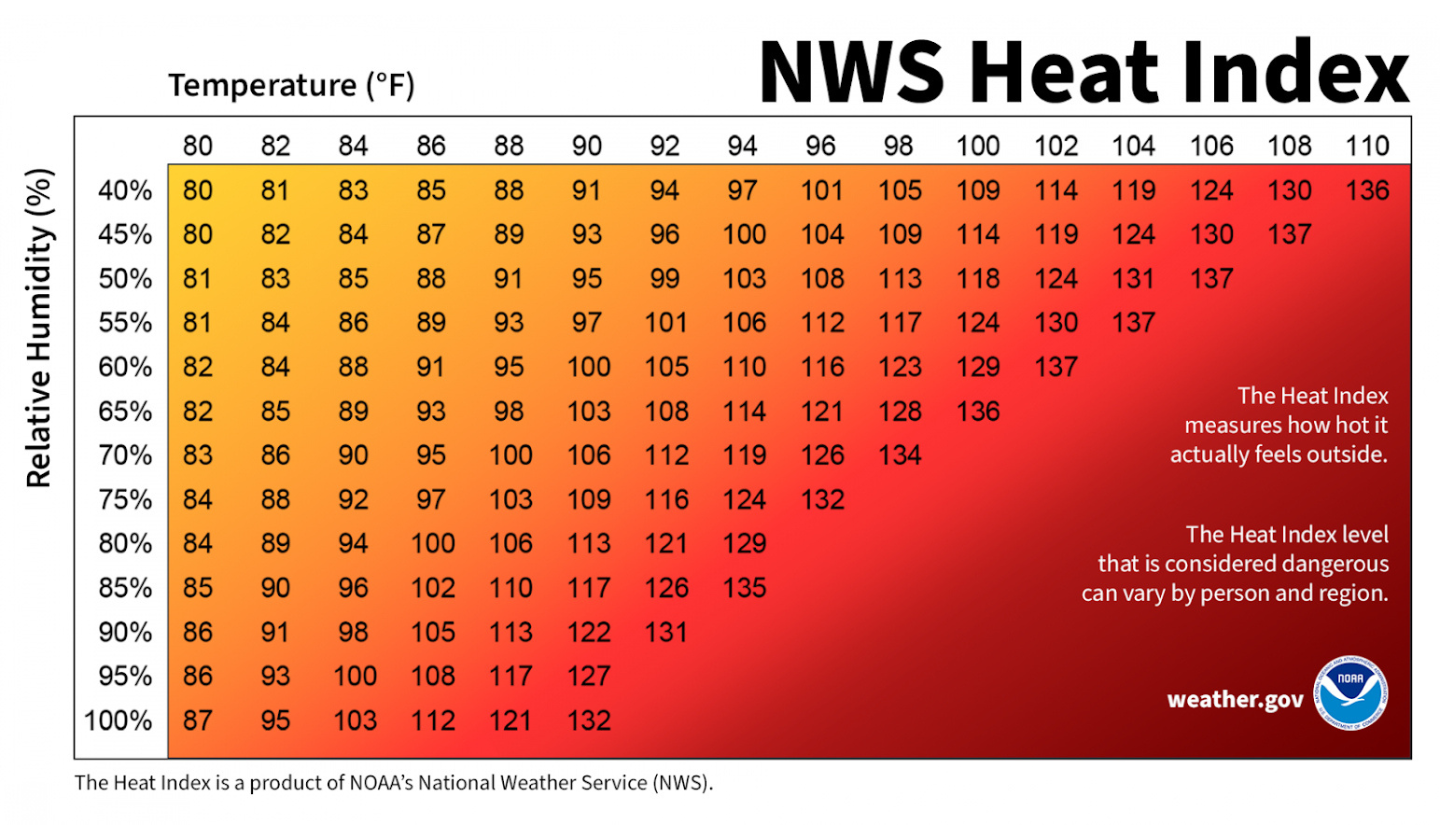
Figure 1. NWS Heat Index table.
With these current criteria and heat products in mind, the NWS WFO Huntsville is looking at the future of summer heat waves. Can they use new data to improve heat products for the public, and does the NWS need to modify its local heat criteria and policies going forward? That is what their most recent heat study from Huntsville and Muscle Shoals was designed to find out.
A New Approach to Understanding Heat Risk
The heat index is the main product that the NWS currently uses to measure feels-like temperatures and decide when to issue Heat Advisories and Extreme Heat Warnings. This tool is criteria-based, however, and the NWS is shifting to using more holistic, impact-based tools in their decisions. The objective of the heat study was to discover whether Wet Bulb Globe Temperature (WBGT) and NWS HeatRisk can help improve decisions regarding the issuance of NWS heat products and messaging during the warm season, and to determine whether local heat index criteria and office policy on heat products need modification.
Basically, we set out to determine if and how we should use these other heat-related tools. We have a legacy of mainly using specific heat index thresholds to determine the necessity of heat-related products and messaging. However, when statistically comparing all of these tools to heat-related health impacts, the question became very clear... we NEED these other tools to inform our products and messaging going forward.
– NWS WFO Huntsville
What Are Wet Bulb Globe Temperature (WBGT) and NWS HeatRisk?
The WBGT is an alternative measurement of heat stress from the heat index. Essentially, Wet Bulb Globe Temperature is calculated from three main measurements: 10% air temperature, 70% natural wet bulb temperature, and 20% black globe temperature. Air temperature is what a thermometer actually reads, while black globe temperature represents how hot those conditions feel in direct sunlight. Natural wet bulb temperature simulates the cooling effect of sweat by measuring evaporation from a wetted thermometer. Together, these measurements provide a more complete picture of how environmental conditions affect the human body.
While the heat index estimates how temperature and humidity affect people, WBGT also accounts for wind speed and solar radiation (sun angle and cloud cover). Another important difference is that the heat index assumes shady conditions, whereas WBGT is measured in direct sunlight. WBGT is especially useful for active populations, including outdoor workers and athletes, and has long been used by military agencies, OSHA, and the American College of Sports Medicine. OSHA recommends that workers keep a WBGT meter nearby to monitor workplace heat conditions and also provides an online tool to estimate WBGT using historical weather data.
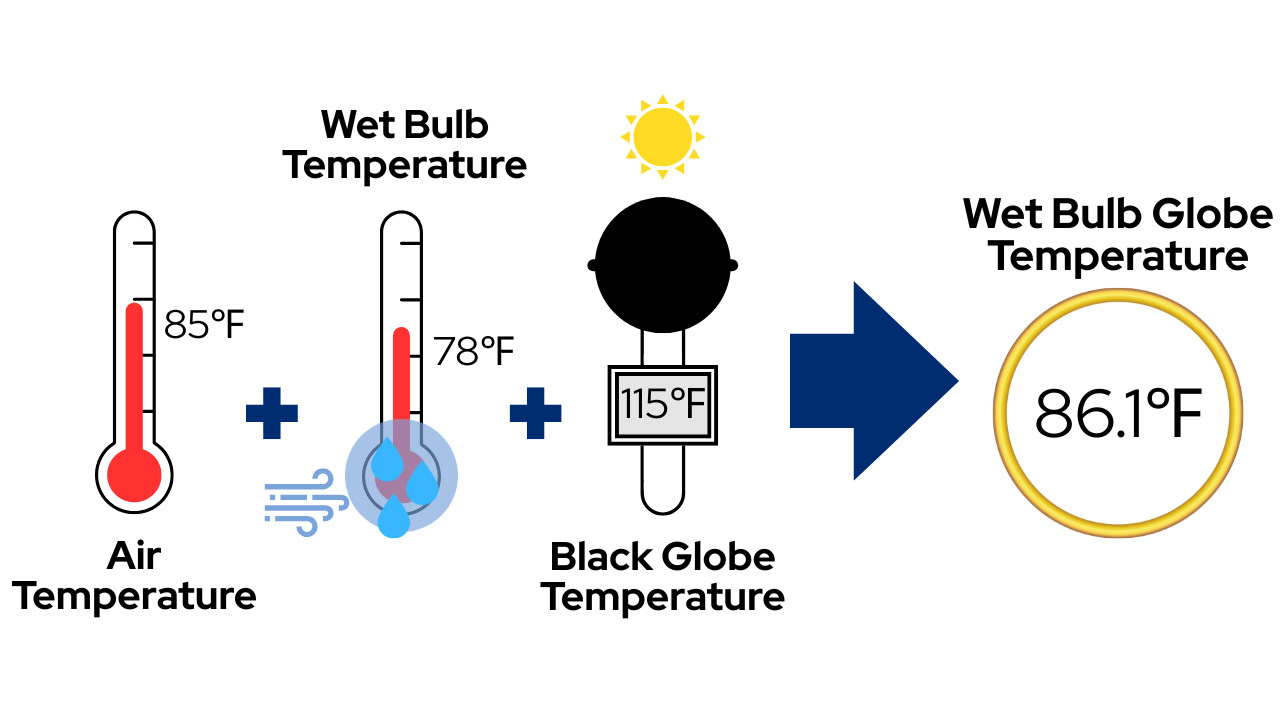
Figure 2. Visual explanation of what goes into Wet Bulb Globe Temperature, simplified from an original graphic by the Duke Nicholas Institute.
NWS HeatRisk is an experimental heat tool that the NWS, in collaboration with the Centers for Disease Control and Prevention (CDC), has expanded from the western United States to the entire continental U.S. as a supplement to heat watches, warnings, and advisories. It assigns a color-coded risk level from green (0) to magenta (4), identifies populations most at risk for heat-related illness, and provides corresponding heat safety recommendations. HeatRisk combines local climate normals with CDC health data to identify unusually dangerous heat events by comparing forecast conditions to what is typical for a given location and time of year.
|
NWS HeatRisk: Know What Heat Will Mean for You | |
|---|---|
|
Category |
Risk of Heat-Related Impacts |
|
0 - Green |
Little or no risk from expected heat. |
|
1 - Yellow |
MINOR – Primarily affects individuals extremely sensitive to heat, especially when outdoors without effective cooling and/or adequate hydration. |
|
2 - Orange |
MODERATE – Affects most individuals sensitive to heat, especially those without effective cooling and/or adequate hydration. Impacts possible in some health systems and in heat-sensitive industries. |
|
3 - Red |
MAJOR – Affects anyone without effective cooling and/or adequate hydration. Impacts likely in some health systems, heat-sensitive industries, and infrastructure. |
|
4 - Magenta |
EXTREME – Rare and/or long duration extreme heat with little to no overnight relief. Affects anyone without effective cooling and/or adequate hydration. Impacts likely in most health systems, heat-sensitive industries, and infrastructure. |
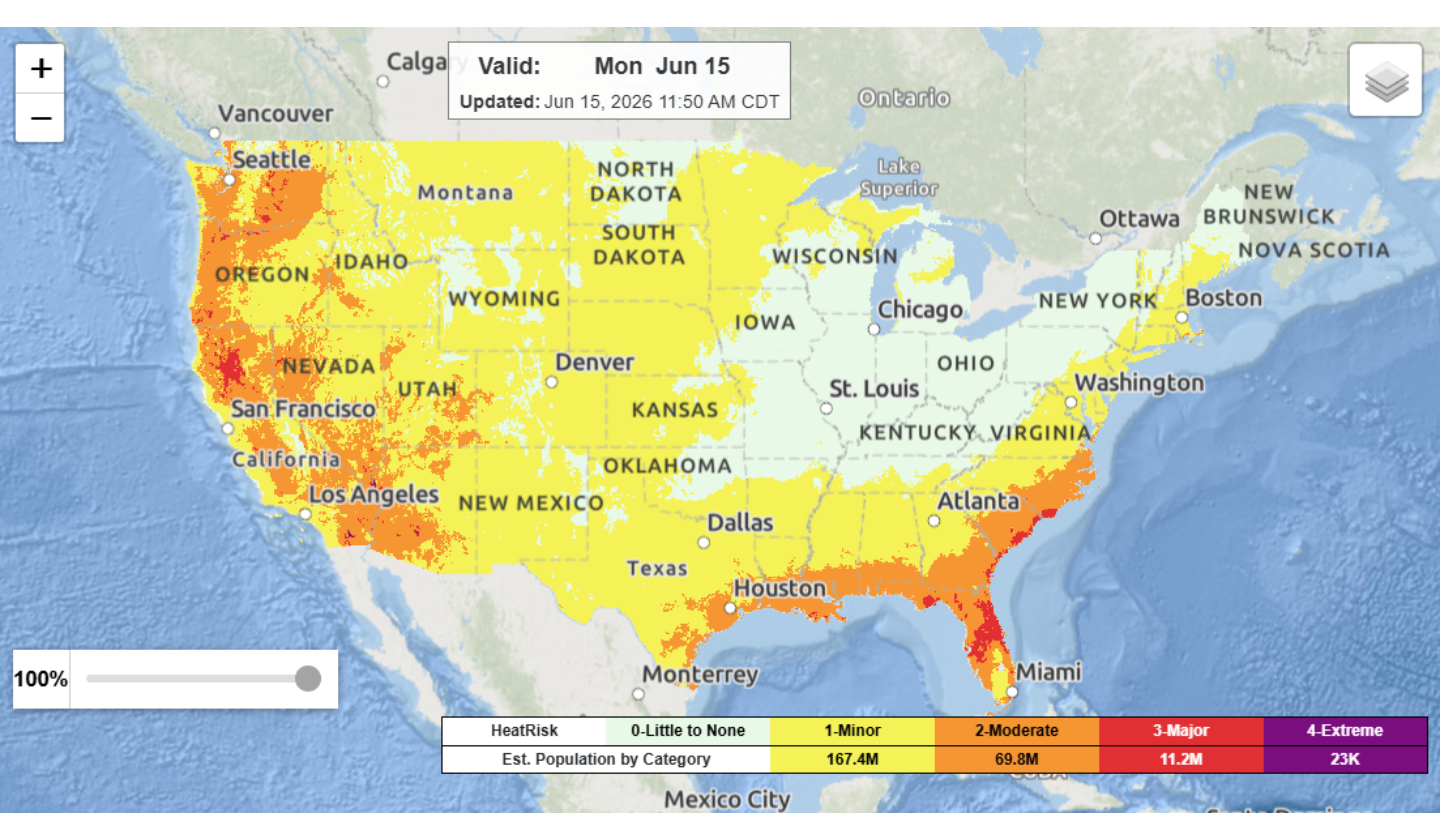
Figure 3. Example of a HeatRisk map for the continental United States.
Understanding the NWS Huntsville Heat Study
Methods
The NWS WFO Huntsville analyzed historical weather data alongside heat-related illness data from the Alabama Department of Public Health. The study incorporated temperature, heat index, Wet Bulb Globe Temperature (WBGT), NWS HeatRisk, and past Heat Advisories and Extreme Heat Warnings to better understand the relationship between heat and human health. The resulting dataset was analyzed using statistical and machine learning techniques to identify heat thresholds associated with increased hospitalization rates. These findings provide insight into how heat impacts communities across North Alabama and are summarized below.
Huntsville Figures
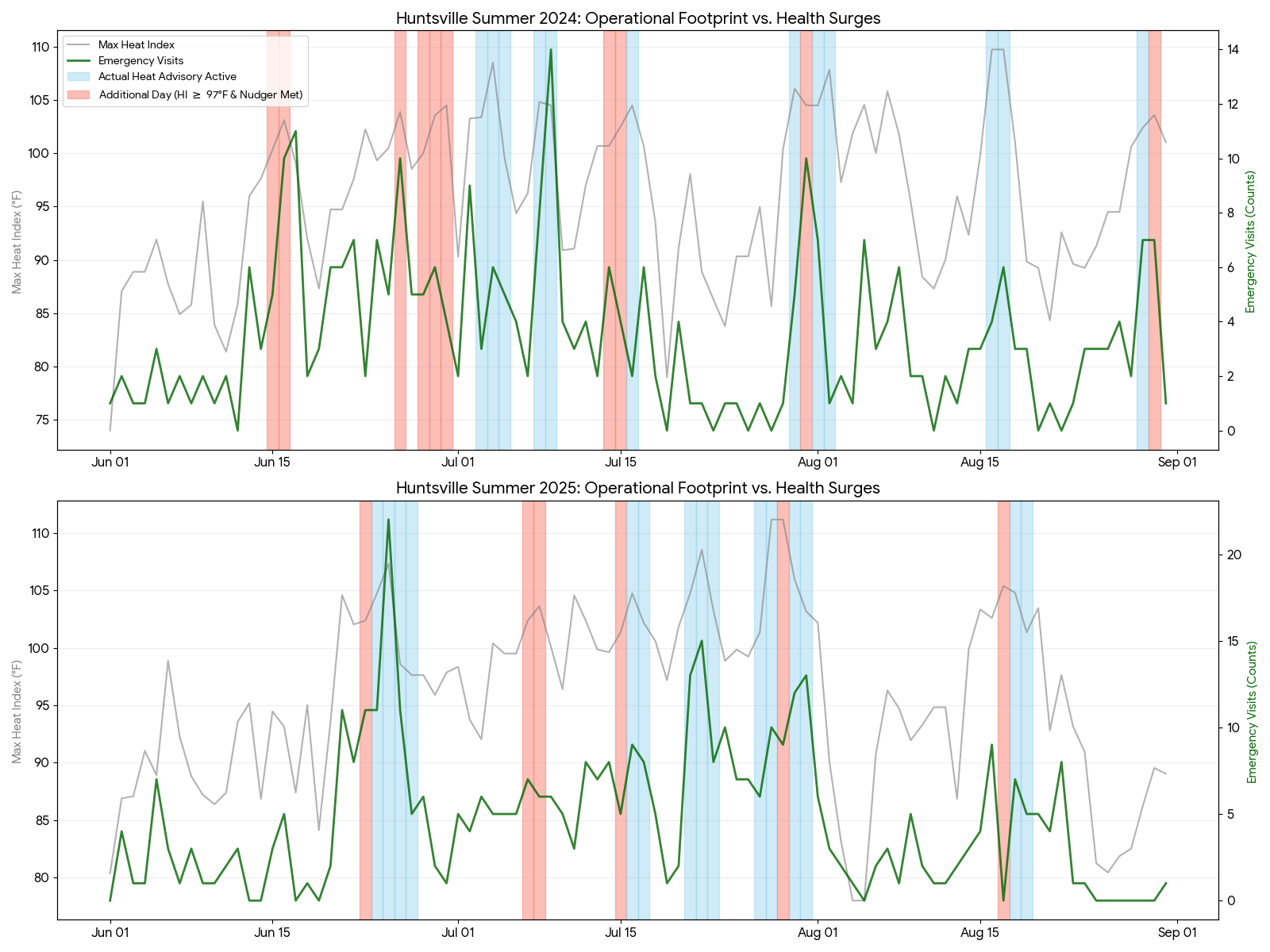
Figure 4. Comparison of NWS heat products and major HeatRisk days in Huntsville during the summers of 2024 and 2025.
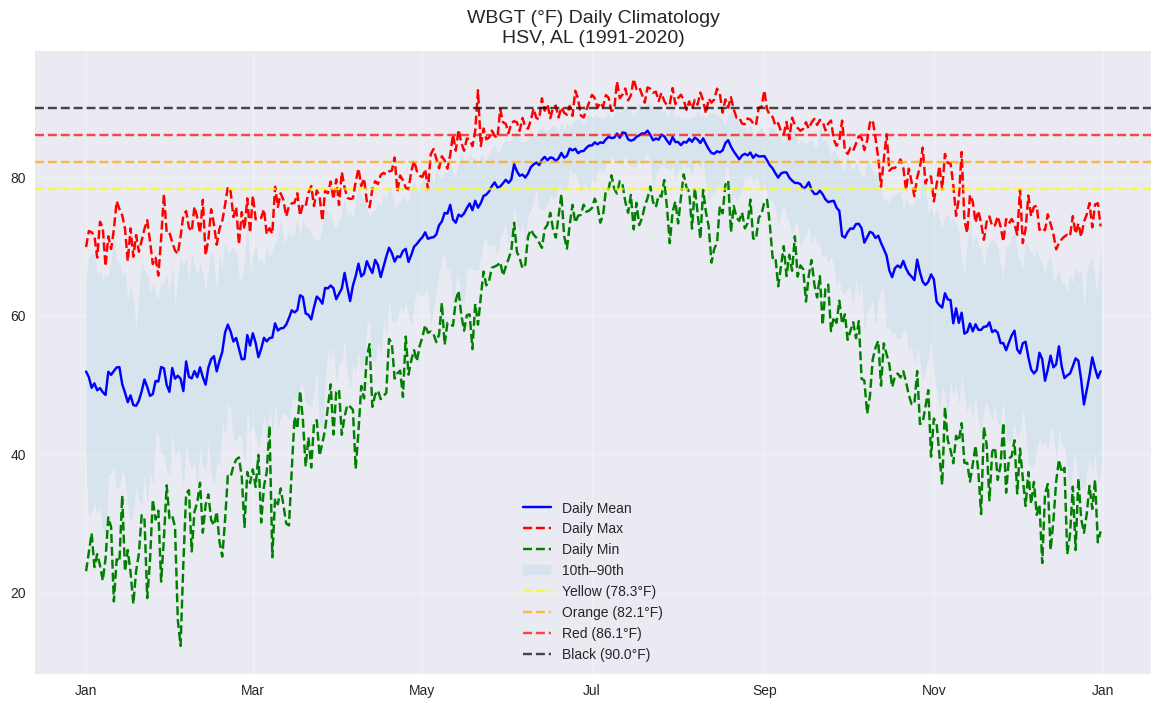
Figure 5. Huntsville Wet Bulb Globe Temperature climatology (1991–2020) showing that WBGT reached or exceeded 88°F approximately 14.6% of the summer season.
Muscle Shoals Figures
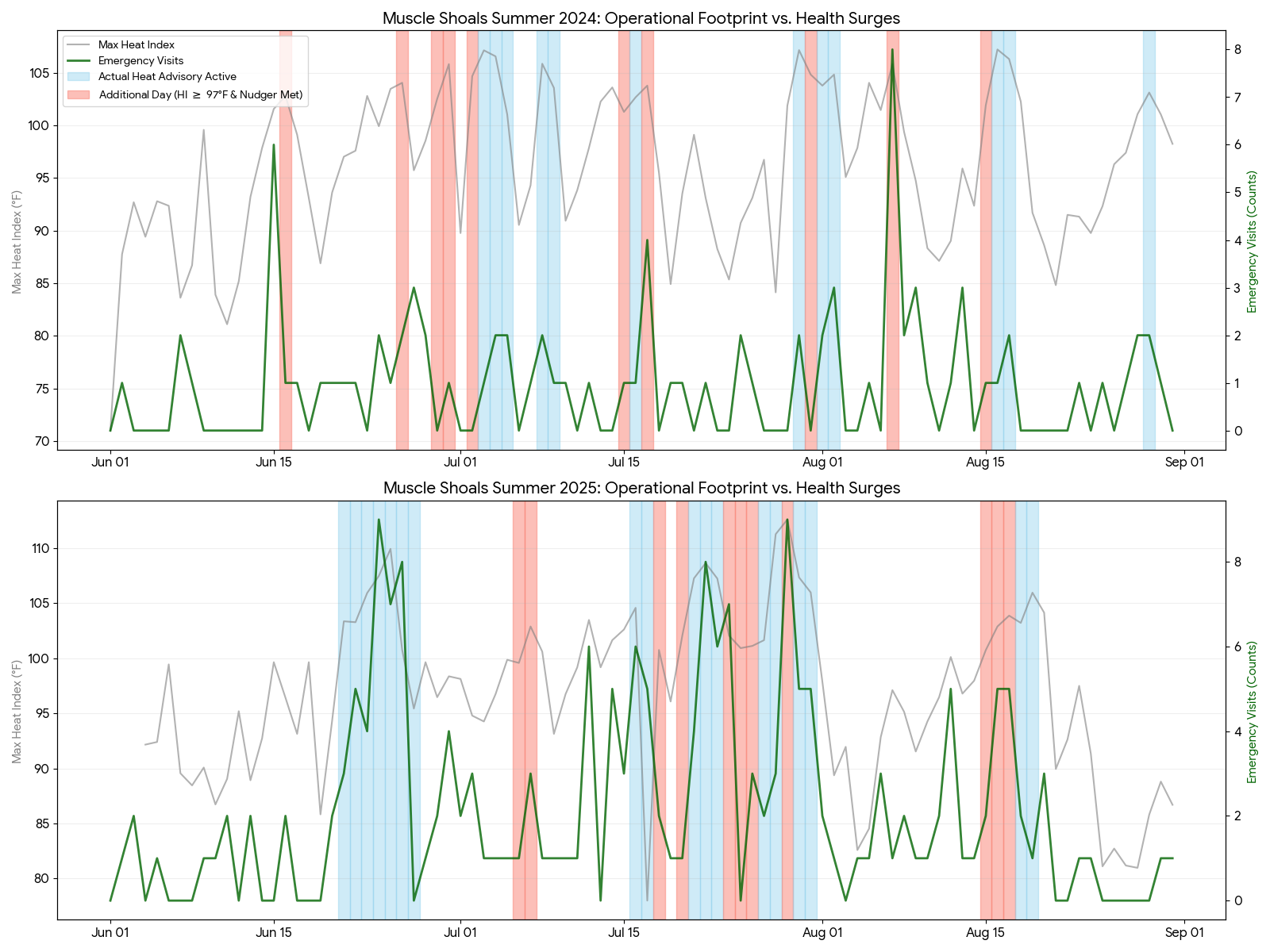
Figure 6. Comparison of NWS heat products and major HeatRisk days in Muscle Shoals during the summers of 2024 and 2025.
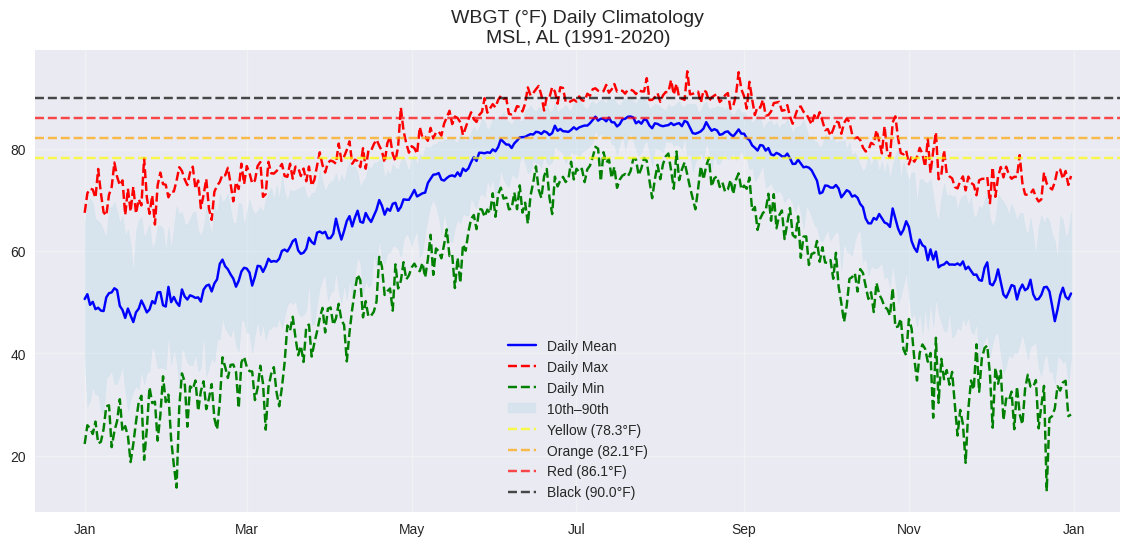
Figure 7. Muscle Shoals Wet Bulb Globe Temperature climatology (1991–2020) showing that WBGT reached or exceeded 88°F approximately 15.1% of the summer season.
Results
The graphics above demonstrate how incorporating WBGT and HeatRisk alongside traditional heat index values can change how overall heat risk is evaluated. When the NWS applied these additional tools to the summers of 2024 and 2025, the analysis suggested that more days may have warranted heat products than were identified using traditional methods alone. The study also highlights specific periods of elevated concern, including the early part of the warm season when people are less acclimated to heat and extended heat spells that persist for multiple days. During these situations, additional tools such as WBGT and HeatRisk can provide valuable context beyond the heat index alone.
These findings reinforce an important reality: temperature alone does not always capture the full risk posed by extreme heat. Factors such as humidity, overnight temperatures, acclimatization, and population vulnerability can influence how heat affects public health. By accounting for these factors, forecasters can better identify periods when dangerous heat conditions are likely to have the greatest impacts on communities. This summer, NWS WFO Huntsville forecasters are using the results of this research to help inform decisions about heat watches, warnings, advisories, and public messaging.
While this research focused on Huntsville and Muscle Shoals, the approach has the potential to be applied across Alabama and beyond. Expanding the analysis to additional communities would help researchers better understand how heat impacts different populations, climates, and urban environments throughout the state. The Birmingham metropolitan area is a natural next step because its larger population and similar climate could provide additional data to strengthen the analysis and improve confidence in the results for North Alabama.
Improving Heat Messaging in Alabama
Most people are familiar with public-facing heat information such as temperature forecasts, humidity, heat index values, and NWS Heat Advisories, Watches, and Warnings. Behind those products, however, is a continual effort to better understand how heat affects people and communities.
This study represents a shift toward more impact-based heat messaging by combining weather data with public health information. Rather than focusing solely on whether a specific temperature threshold is reached, forecasters can better consider how heat is expected to affect real people, including children, older adults, athletes, outdoor workers, and other vulnerable groups.
As extreme heat continues to be one of the leading weather-related hazards in the United States, research like this helps ensure that heat products and safety messaging remain relevant, scientifically grounded, and focused on protecting lives. By improving how heat risk is communicated, the NWS can provide communities with information that is better aligned with the conditions they actually experience and the actions they may need to take to stay safe. Be sure to stay tuned to NWS heat messages and keep safety in mind this summer!
Heat affects everyone, so it is important for everyone to take it seriously and be safe. Here are some ways the NWS recommends practicing Heat Safety wherever you are this summer:
- When it's hot outside, avoid outdoor activities between 10am and 7pm.
- Stay hydrated - drink water! By the time you feel thirsty, you are dehydrated.
- Wear loose-fitting, light-colored clothing.
- Wear sunscreen.
- Take frequent breaks in the shade.
- Use/get to air conditioning, as fans may not be adequate.
- Check on and assist those vulnerable to the heat, such as children and the elderly.
- NEVER leave people or pets in a vehicle! Look before you Lock!
Please direct any questions related to this NWS Huntsville Heat Study to nws.huntsville@noaa.gov